
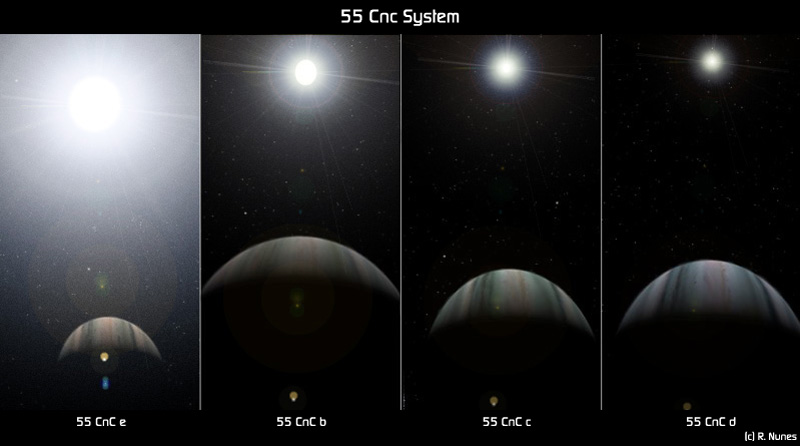
Zeta-Station is a regional HQ Base of the Exploration Company, located in the Copernicus (=55 Cancri) System on the 3rd moon orbiting 55 Cancri c (also called Brahe).
The Copernicus system has become of central importance to the Exploration Corporation due to its distance from Earth, the size of the system with 5 planets and possible new exploitation targets in the immediate vicinity. Therefore it was decided to establish a regional headquarter in the Copernicus system to supervise the exploration and exploitation of the Copernicus system from Zeta Station.
Planned as the center of the new Zeta Quadrant, the new base increases the efficiency in the Exploration Corporation’s new expansion area and make it clear that they have come to stay and see the future of the Exploration Corporation in the Zeta Quadrant.
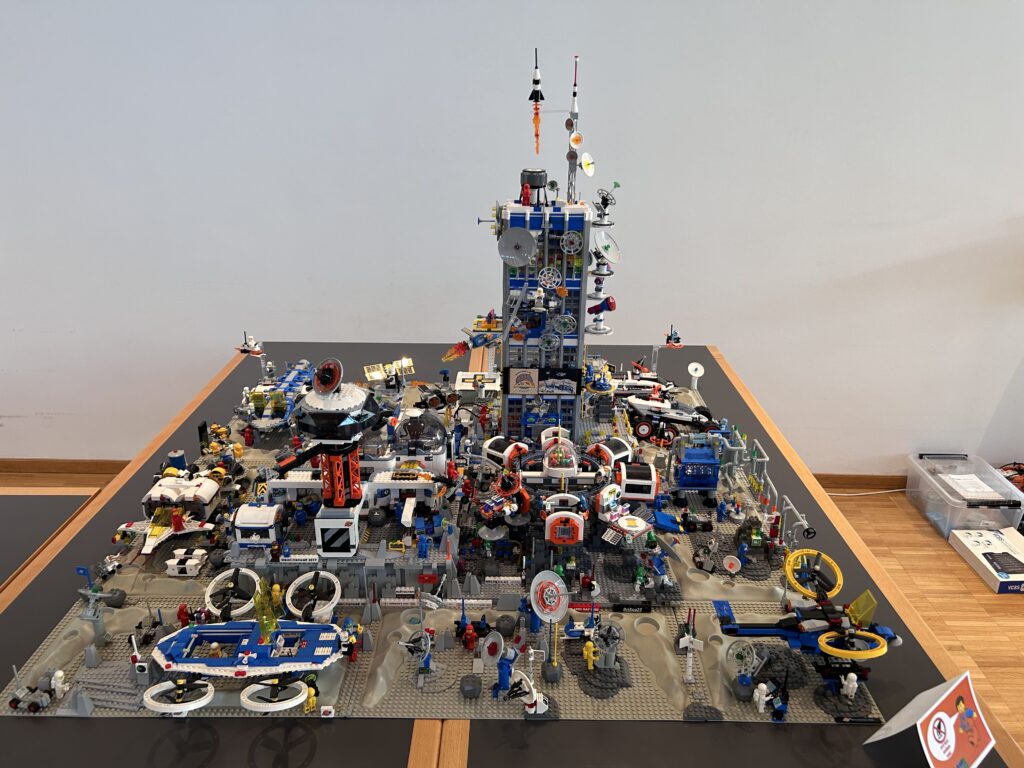
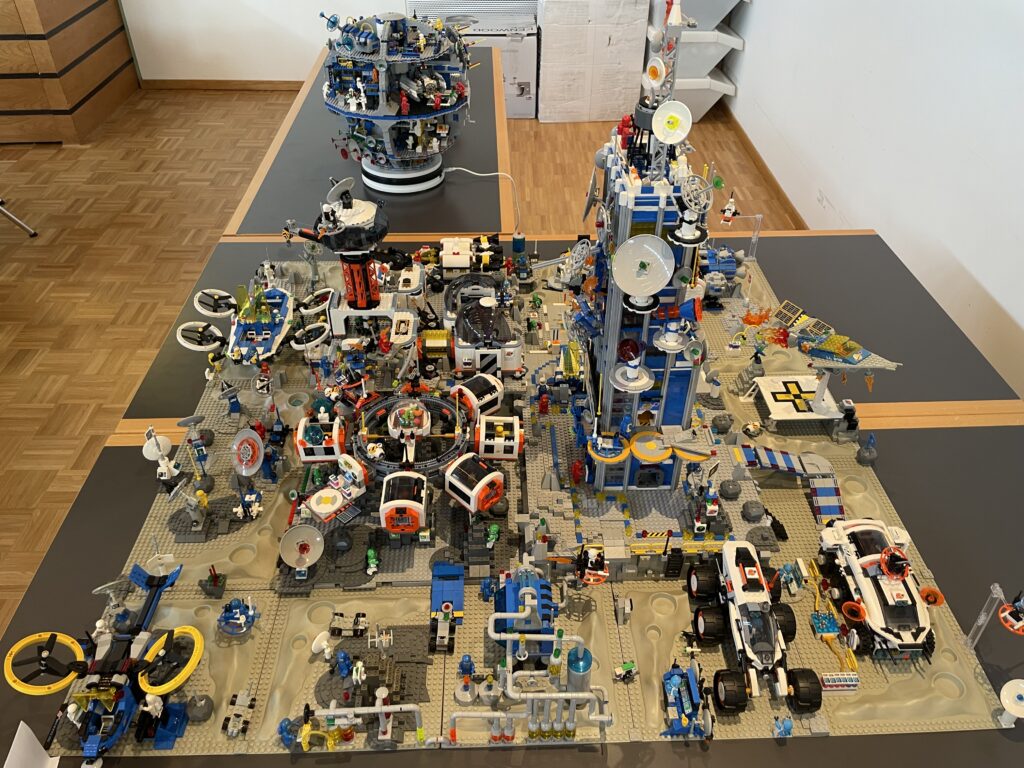
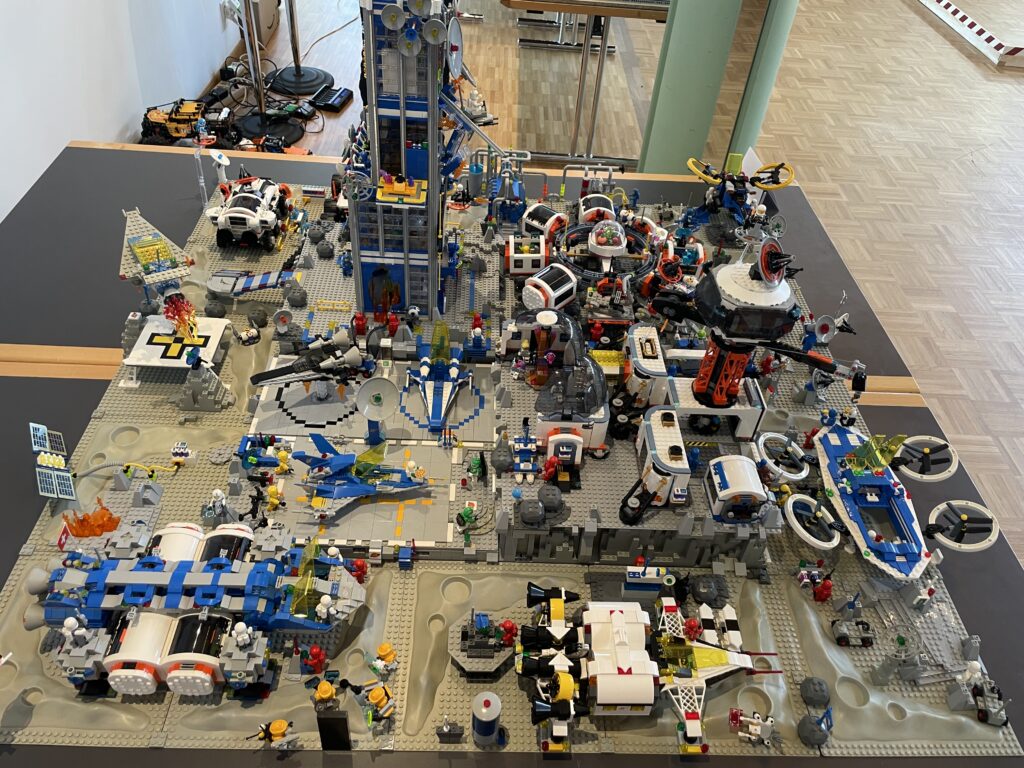
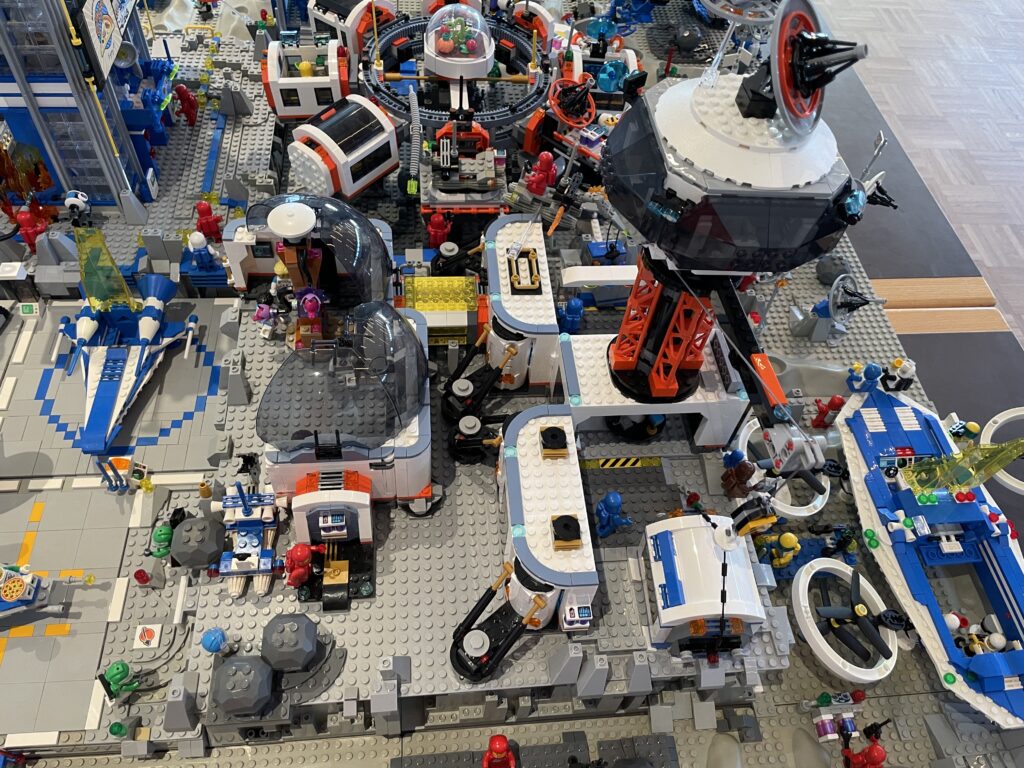
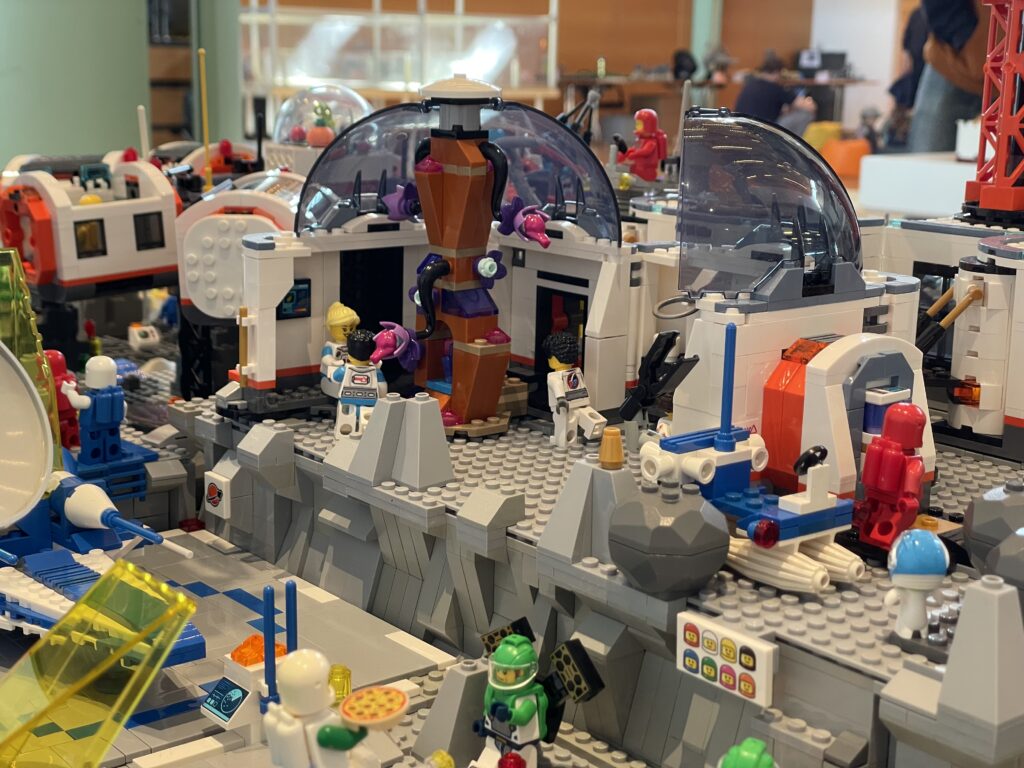
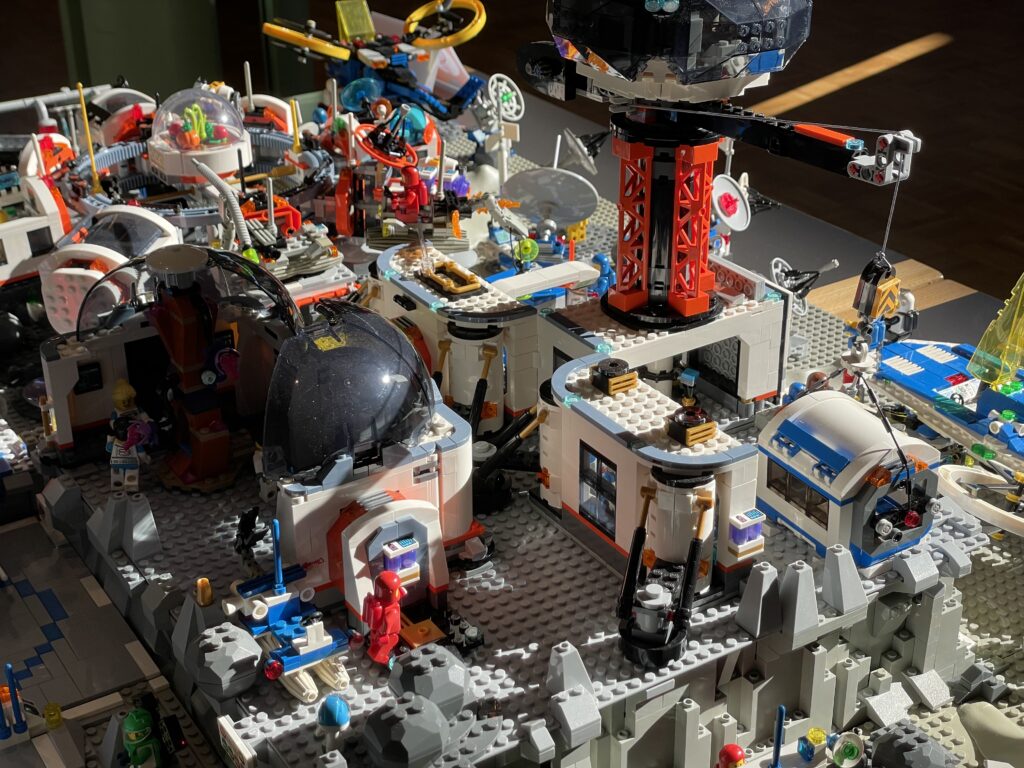
The central portion of Zeta station comprises the core station, constructed upon four hills or rock formations that have been flattened to accommodate the primary installations. Surrounding these main installations are landing areas and smaller installations, all meticulously designed to support station operations and function as a transportation hub for the 55 Cancri sector.
The moon exhibits a unique phenomenon that was only identified after site selection was completed: the moon’s atmosphere destroys operational fusion drives after 15 minutes. Consequently, special air units were developed to facilitate long-term operations within the moon’s atmosphere.
Main Installations
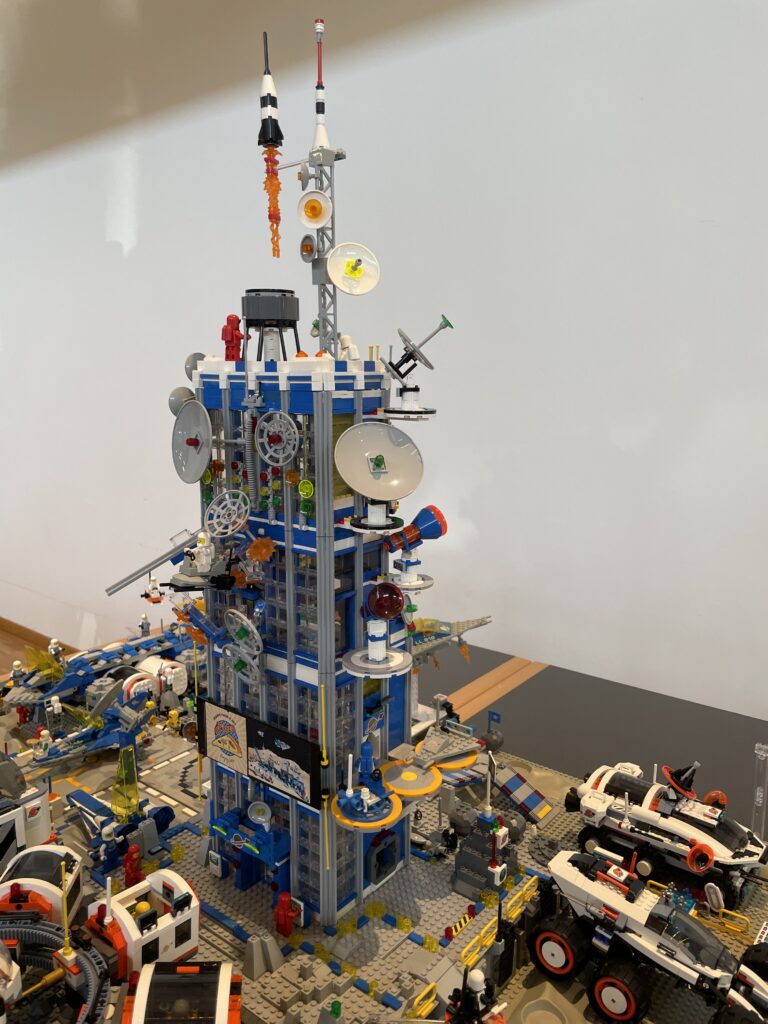
StarTower – HQ
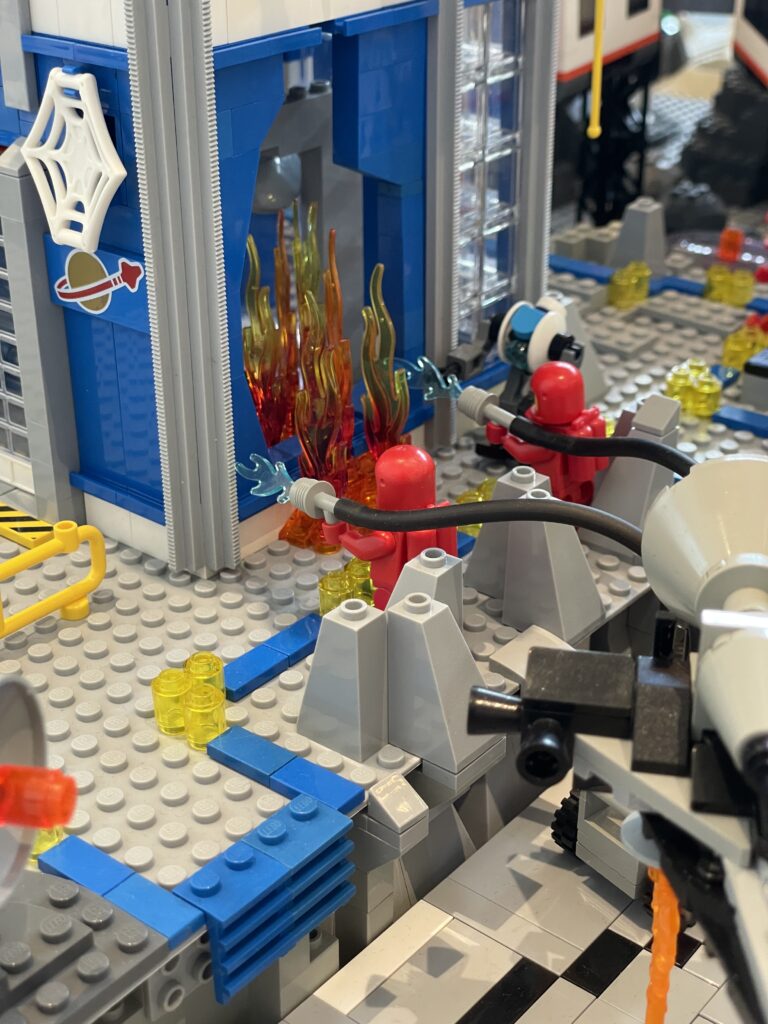
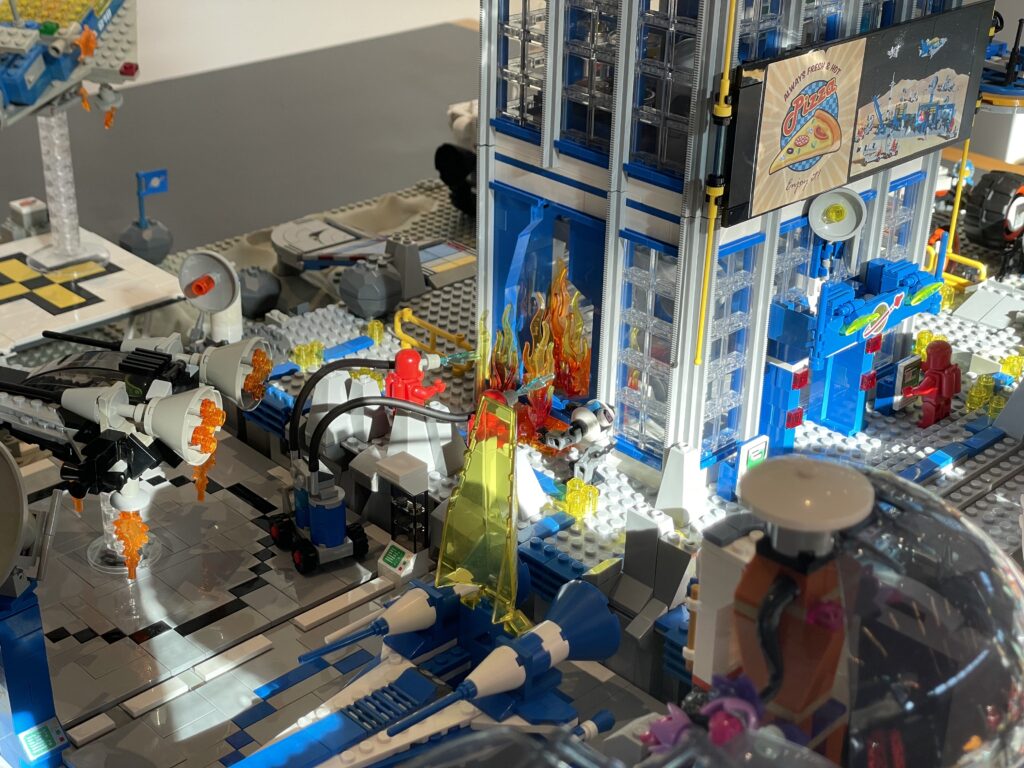
Designed as the local HQ for the sector, the Exploration company has designed the StarTower which has now been constructed at Zeta Station to oversee local and sector operations.
From StarTower, the primary base operations are coordinated, while prospecting expeditions are launched to various asteroids, comets, moons, and planets within the 55 Cancri system. Additionally, the StarTower manages the coordination of material flows back to the Solar System.
A crucial aspect managed by the StarTower is the optimisation of descent and launch vectors for incoming and outgoing spacecraft to ensure their timely arrival within the 15-minute time window before their fusion drives are rutterly destroyed. However, the maintenance bay is specifically equipped to repair these damaged fusion drives, even if this process takes an extended period and should be avoided under all circumstances.
Overall, with StarTower as the central hub, Zeta-Station will be utilised to expand the presence of the Exploration company in this sector.
Incidentally, the rocket launch is conducted to complete the constellation of small navigation satellites and other essential infrastructure surrounding the moon, thereby enhancing operational capabilities.
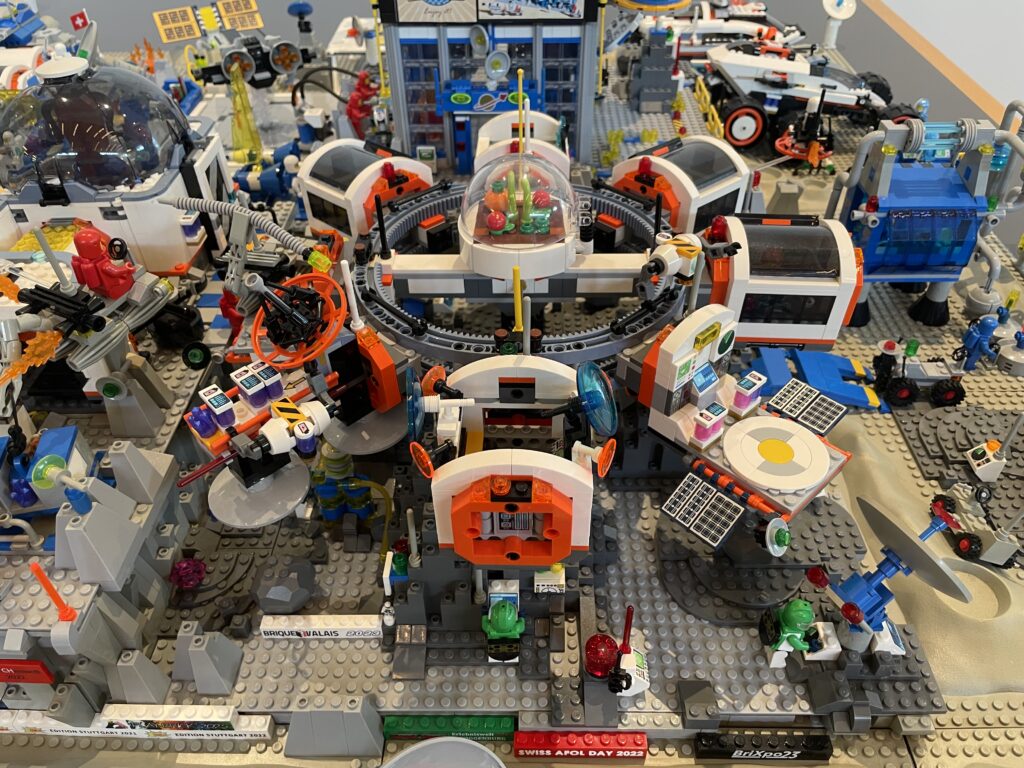
The Ring – Analytics and extended Science
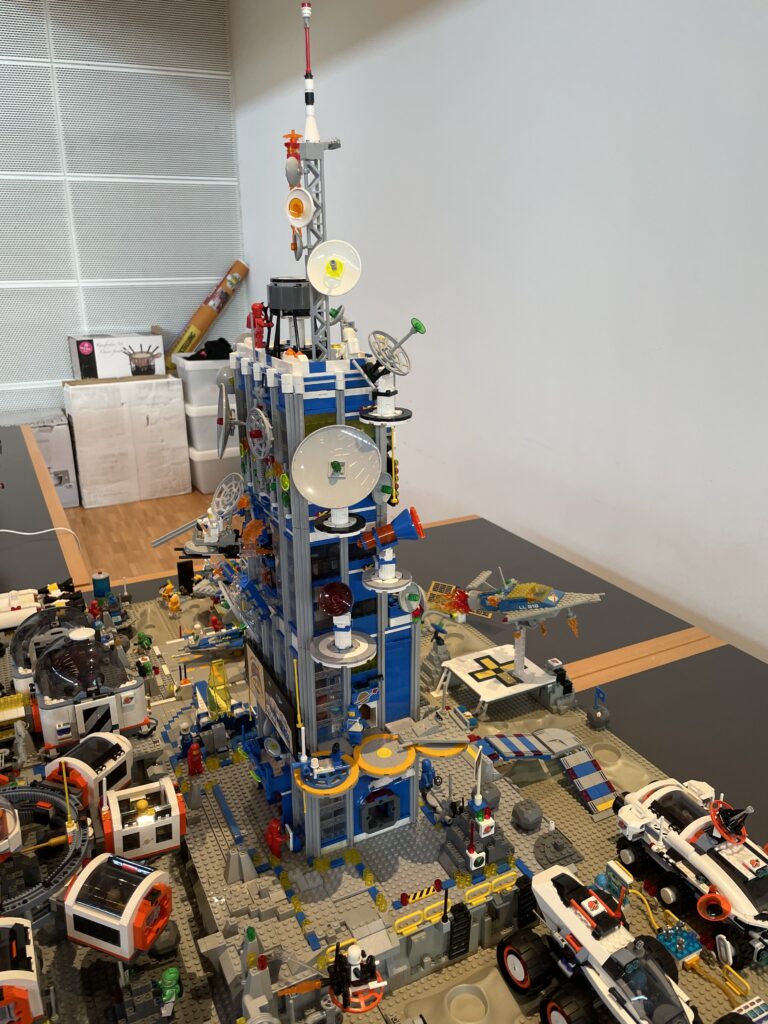
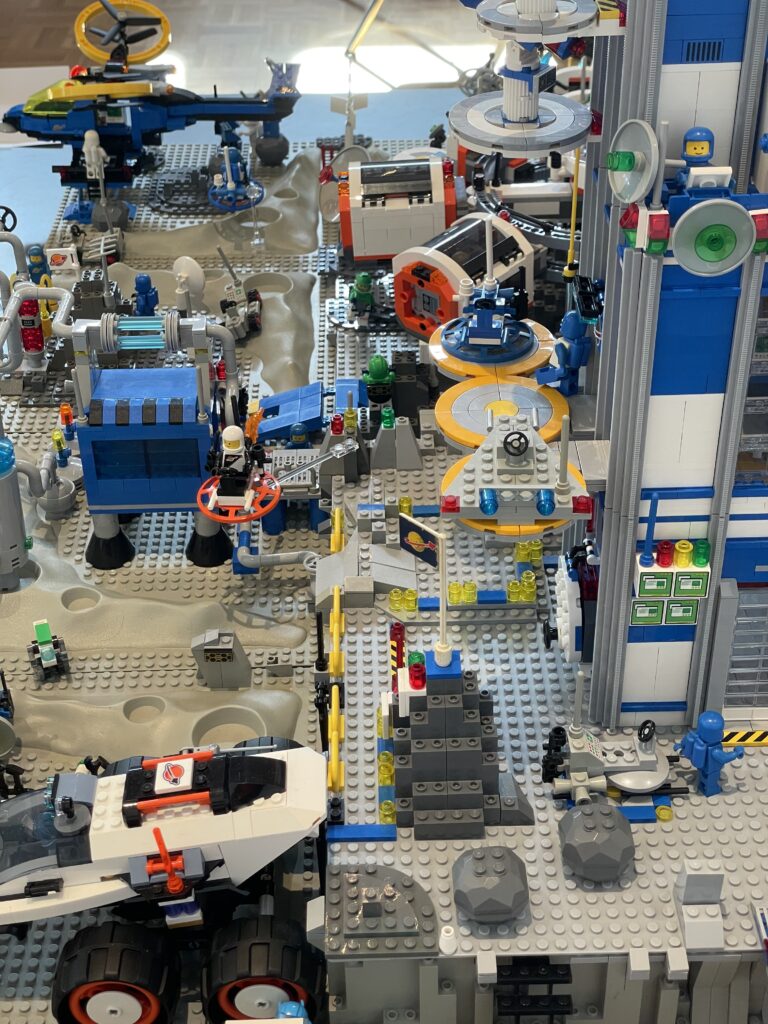
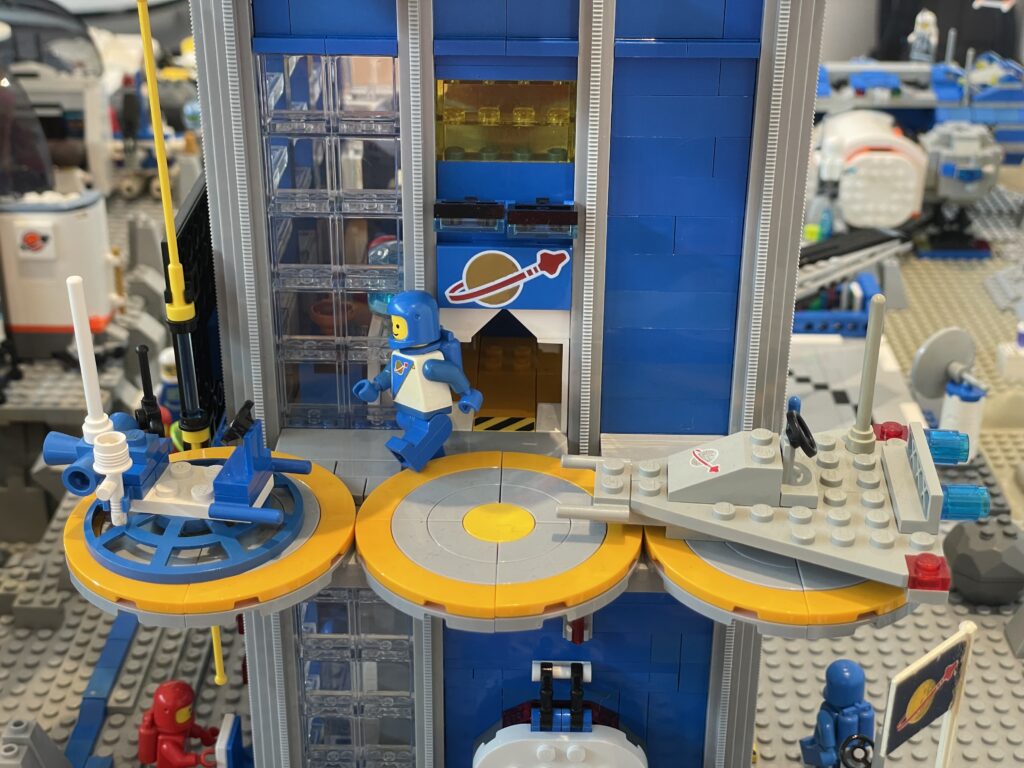
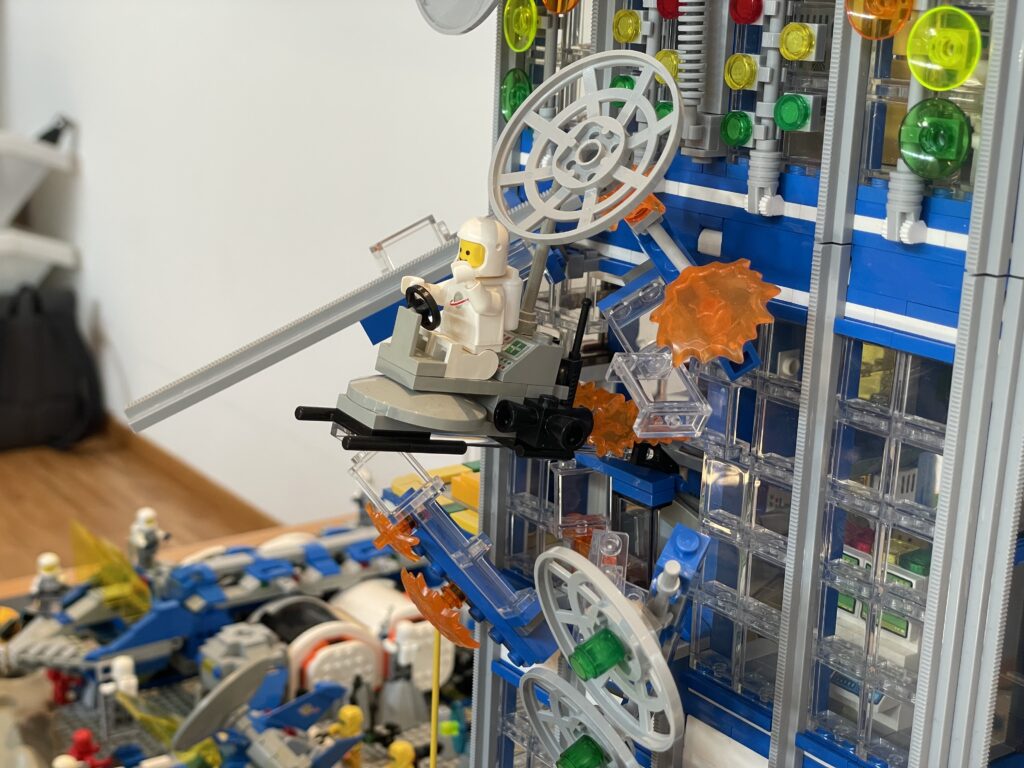
The Ring has been constructed to accommodate extended scientific facilities, supporting the primary scientific team at the StarTower. Its primary focus is on local planetary science and geology, enabling research into extracting additional energy from local materials and addressing the issue of the local atmosphere damaging fusion drives.
The Ring comprises various laboratories and landing platforms for the transportation of selected materials. The experimental fuel cells, essential for operating on the moon, are prepared for collection and distribution.
Furthermore, the Ring features a dedicated greenhouse for experimenting with the cultivation of food, thereby reducing the reliance on transporting food from the Solar System. If successful, this initiative will significantly enhance the exploration company’s options for further expansion in this sector.
Different views of “The Ring” and its different sections
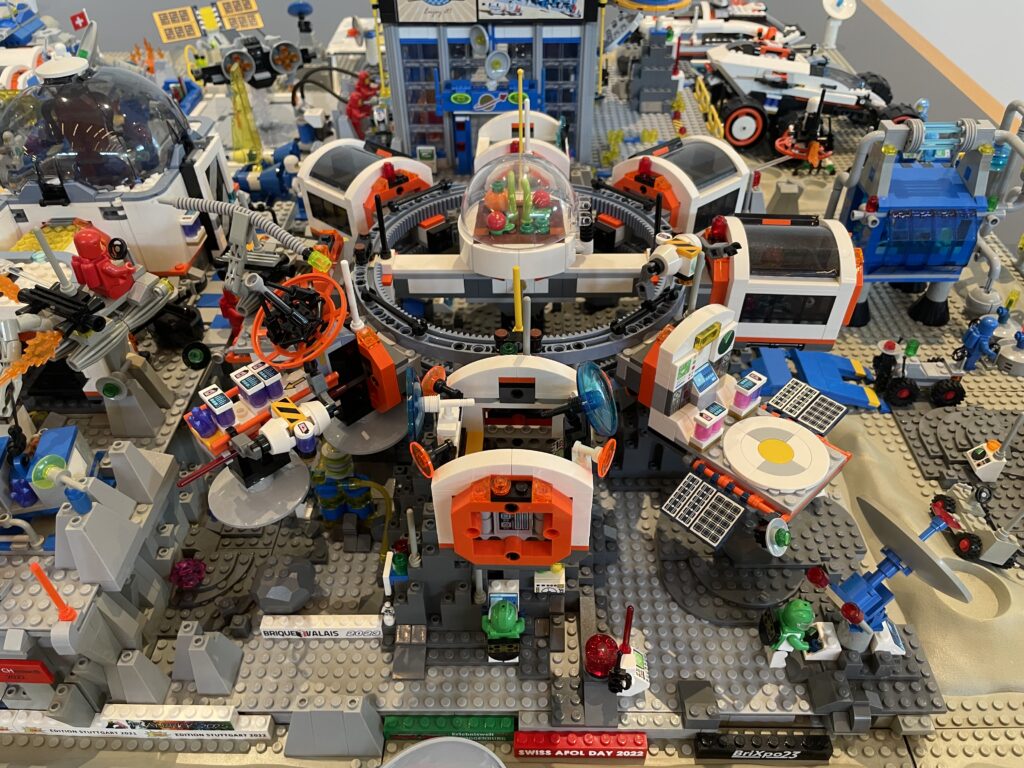
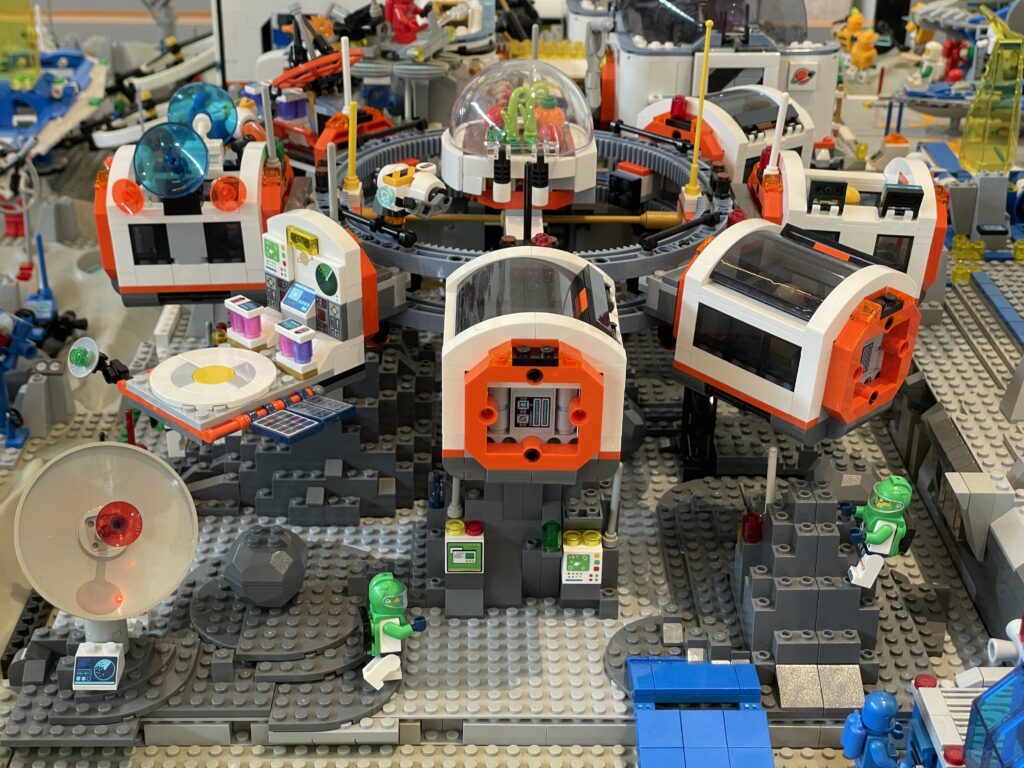
Below “The Ring,” several additional scientific installations are currently operational, including those dedicated to monitoring radiation levels, conducting seismic measurements, and specialised communication systems.
The Crane
The Crane is the main hub for shipping minerals, metals and other goods from 55 Cancri back to the Solar System.
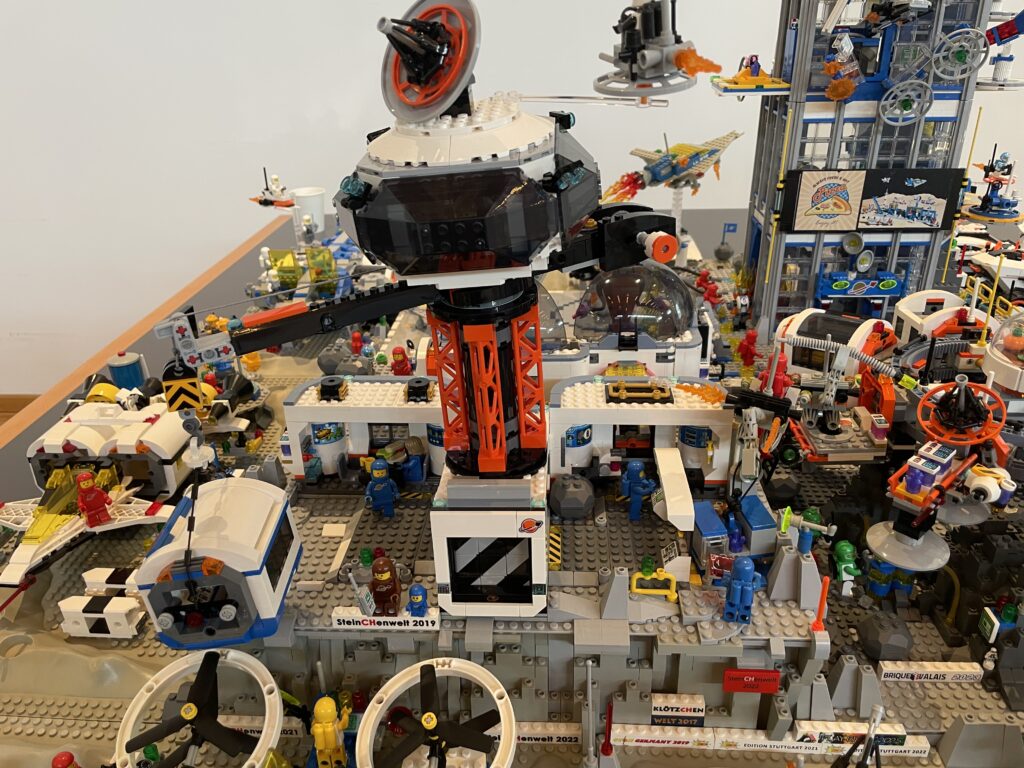
The Crane features 3 Labs and of course, “The Crane”. The Crane is used to take cargo from the two air fields and eg redistribute it to the space port or Eagle for transportation. It serves as the logistics center, of course all controlled from the StarTower, and manages the day-to-day business of moving cargo containers in and out of the systems.
Due to the new airlock system, The Crane can also be used to equip Lab pods for transport either on the moon, using e.g. the AIR4Q-2312-LR or within the system using the Eagle or LL-670-CAZ
The labs within The Crane are mainly used to validate and track incoming and outgoing goods, ensuring that quality grades, purity levels etc are correctly reported.
The Spaceport
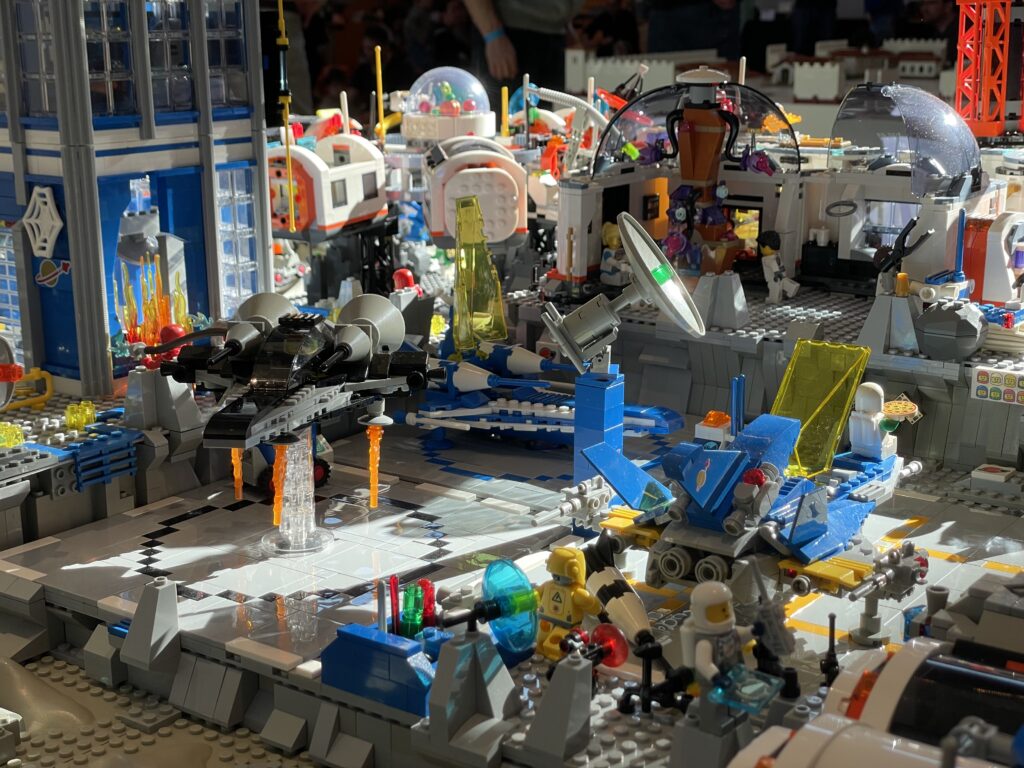
Given the unique conditions on the moon regarding fusion drives, the spaceport has been design with a focus on smaller, more agile spacecrafts. These spacecraft maintain primary contact with larger vessels in orbit or other locations. The primary objective of these redesigned spacecraft is to achieve rapid reentry and launch capabilities, as all spaceships have a limited time of 15 minutes for descent or launch. Additionally, the refuelling and repair capabilities have been significantly reduced in comparison to a typical spaceport, as they are deemed unnecessary in the current operational environment.
Despite all the difficulties Zeta-Station has become a favourite among the space jockey, mainly due to the incredible Pizza served in the StarTower restaurant.
Also, it seems that the Slingshot Racing league is in town; at least, the race pilots seem to take the risk of landing on Zeta-Station for illegal upgrades and to grab a slice of pizza.
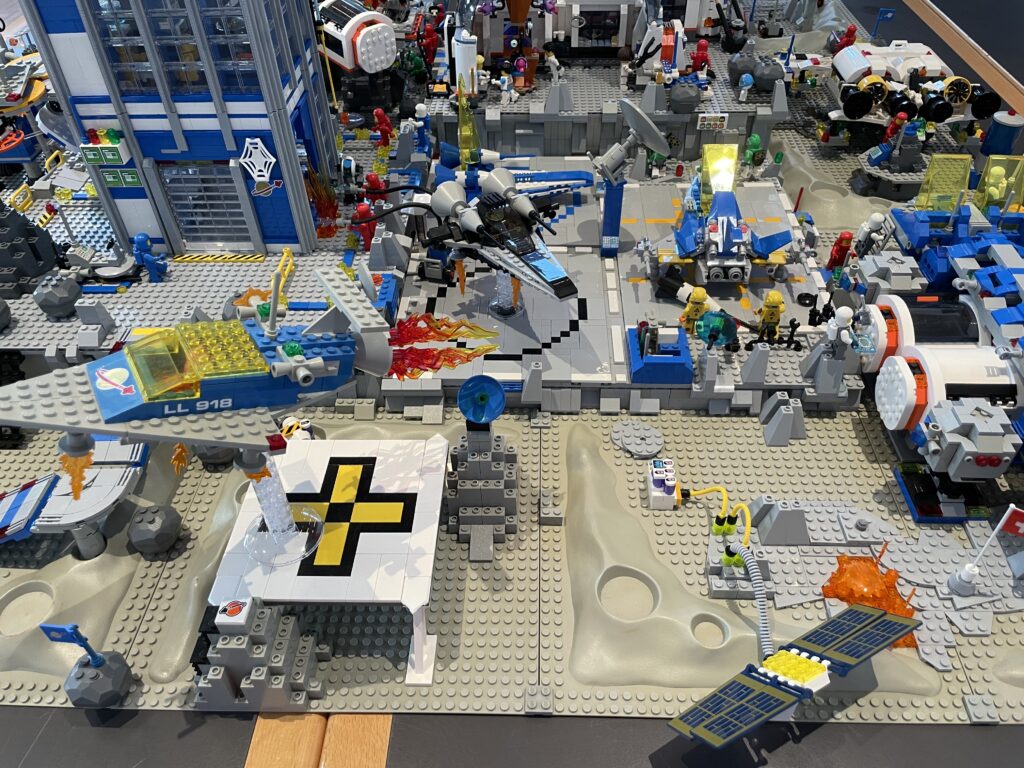
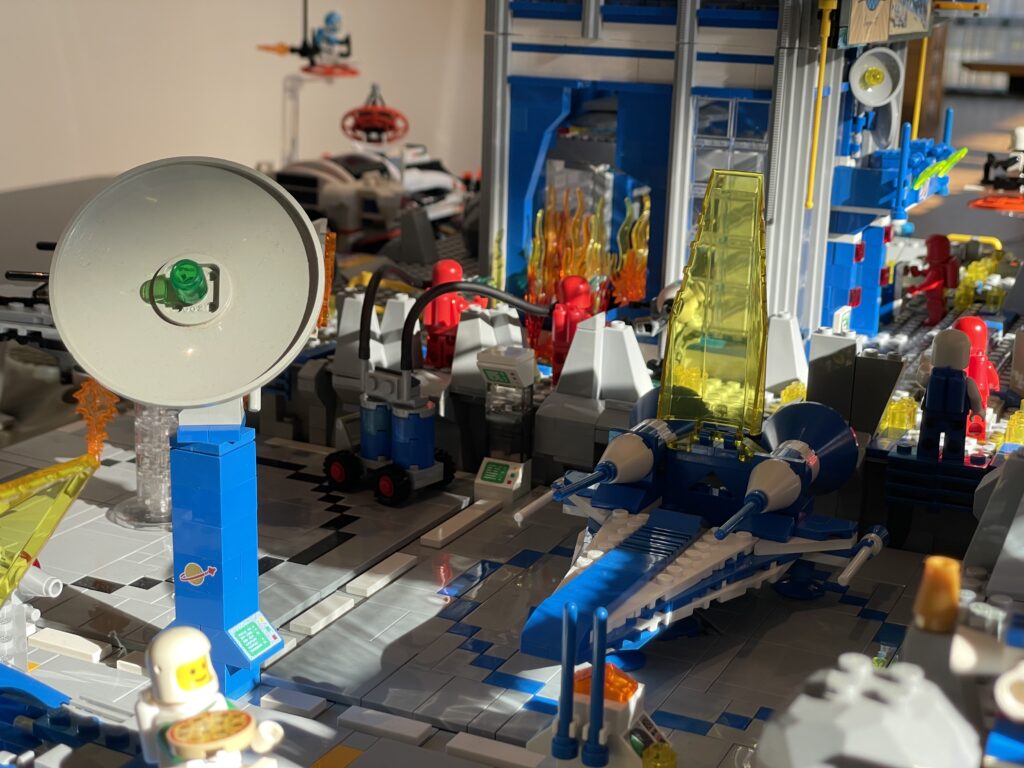
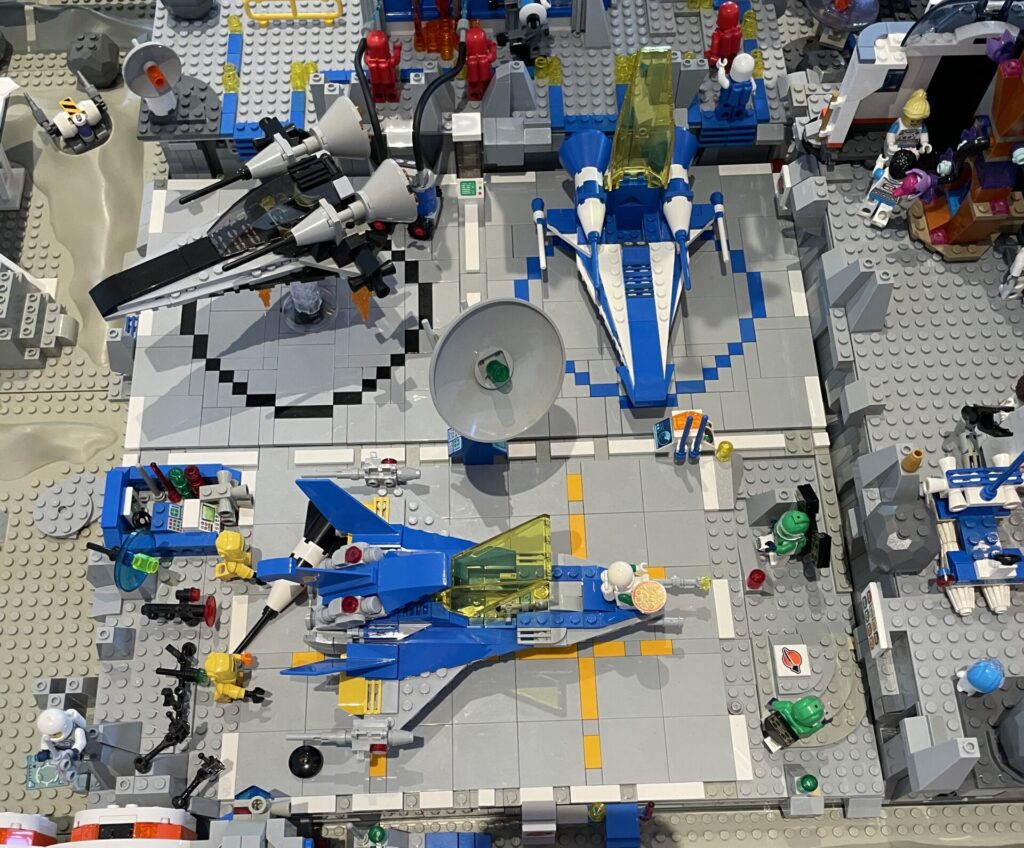
Around the central core there are 9 different sections:
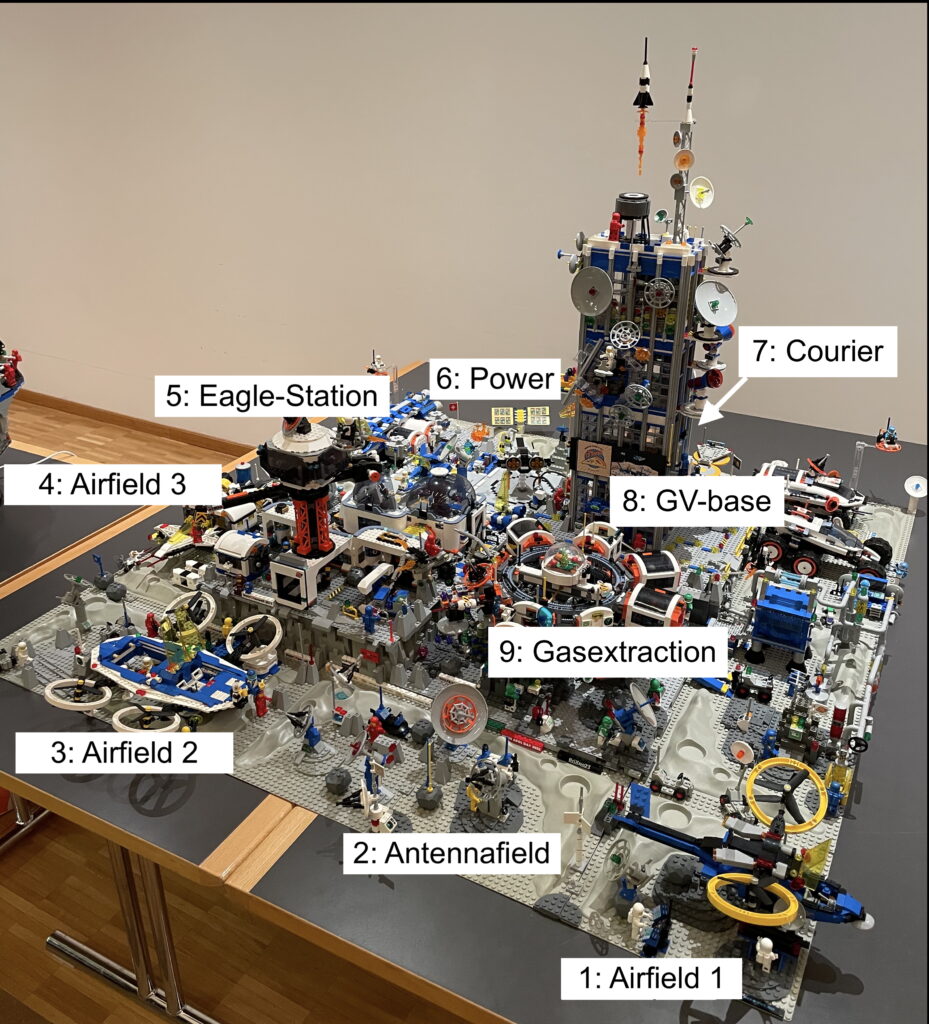
- Airfield 1 as the landing base for the AIR-2307-SR
- Antenna Farm for radioastronomy and communications
- Airfield 2 as the landing base for the AIR4Q-2312-LR
- Airfield 3 as the landing base for the LL-670-CAZ
- Landing field for the Eagle
- Power Generation
- Landing Platform for the Courier ships
- Ground Vehicle operation center for GV based on LEGO Sets 60431 and 60432
- Gas Extraction and Processing facility
9 Sections
1: Airfield 1
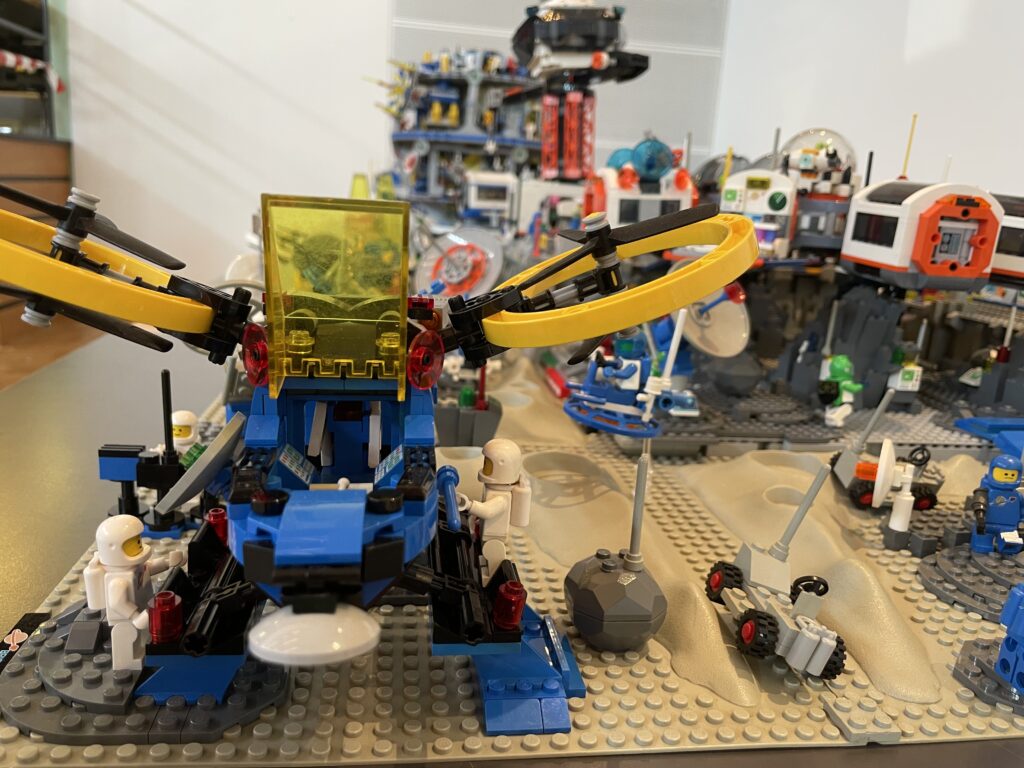
Airfield 1 serves as the primary landing base for the AIR-2307-SR, primarily utilised for reconnaissance missions on the moon’s surface and in the vicinity of Zeta-Station. Equipped with dual-engine powered rotors, the aircraft offers exceptional thrust and manoeuvrability.
The station is equipped with computer terminals that facilitate the preparation of the copter for its missions. These terminals enable the upload of the most recent weather forecasts and atmospheric profiles to the copter’s onboard system, ensuring optimal flight path planning for the scouting missions.
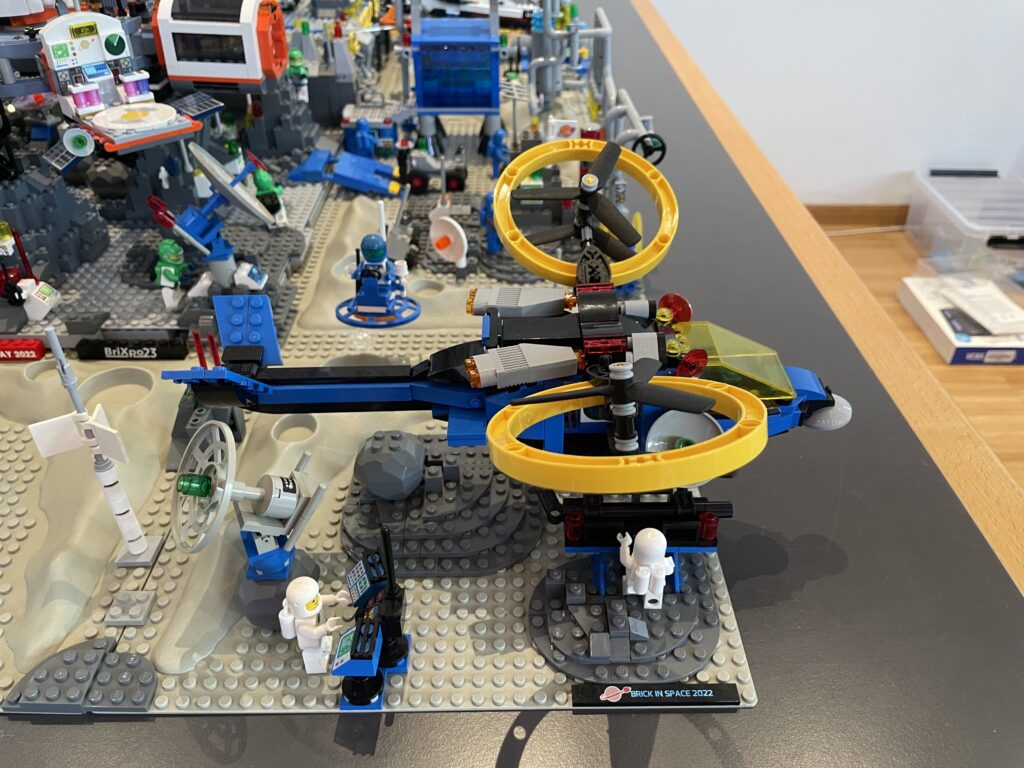
Given that the AIR-2307 is also employed for Search and Rescue operations in the event that a spacecraft fails to land at Zeta station on time, and fusion drives are destroyed, the AIR team remains continuously vigilant, prepared to swiftly intervene and rescue missing astronauts.
2: Antenna Farm
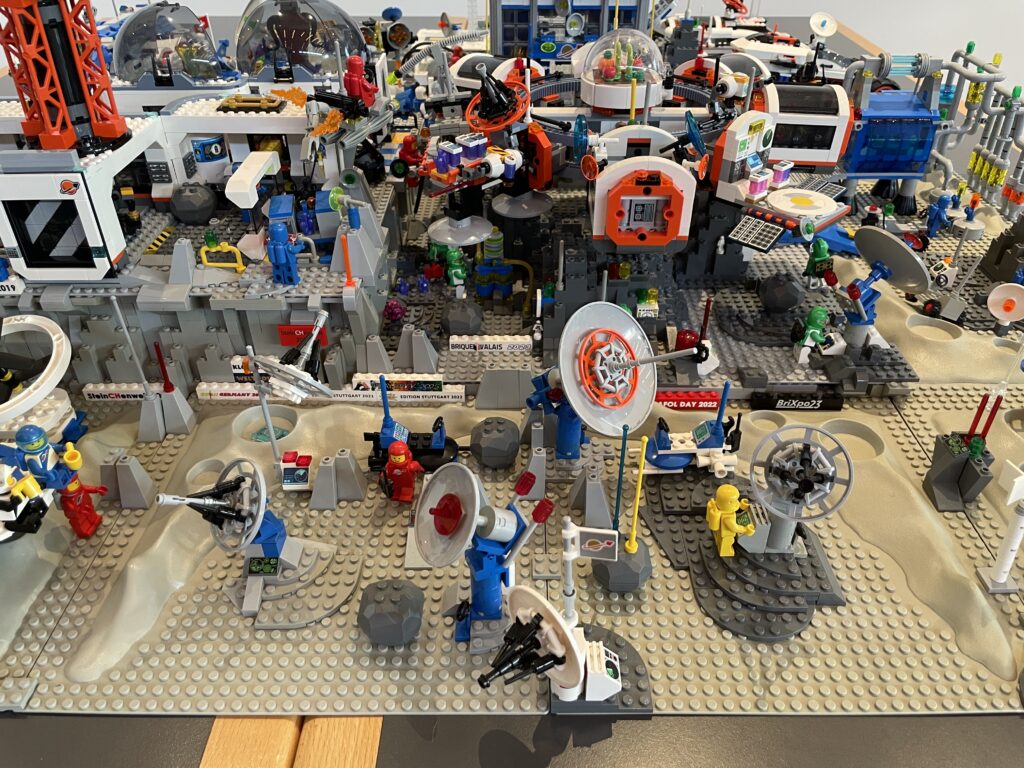
The Antenna Farm functions as a radio astronomy station, simultaneously serving as an extended communication hub for various missions within the 55 Cancri System and the broader sector.
It is rumoured that certain antennas have also been utilised in the detection of incoming stealth vessels from the Research Collective, ostensibly to prevent the Collective from establishing a base within the sector and to thwart the Exploration Company’s mission to procure raw materials and gain financial advantages for the solar system.
3: Airfield 2
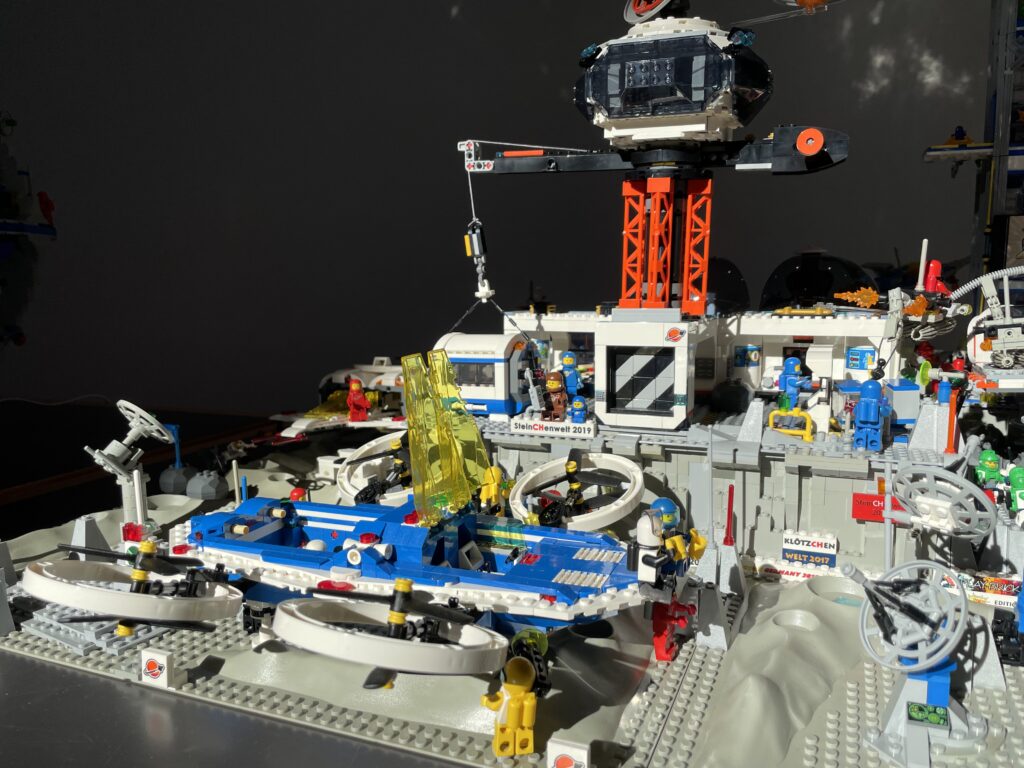
The Airfield 2 serves as the operational base for the AIR4Q-2312-LR. The AIR4Q has recently arrived at Zeta-Station, where it unloaded a laboratory unit that was deployed on the far side of the moon. After a 24-hour flight, the crew takes a well-deserved coffee break before preparing the aircraft for its next flight, which is likely a cargo delivery to one of the mining stations and to return with additional minerals.
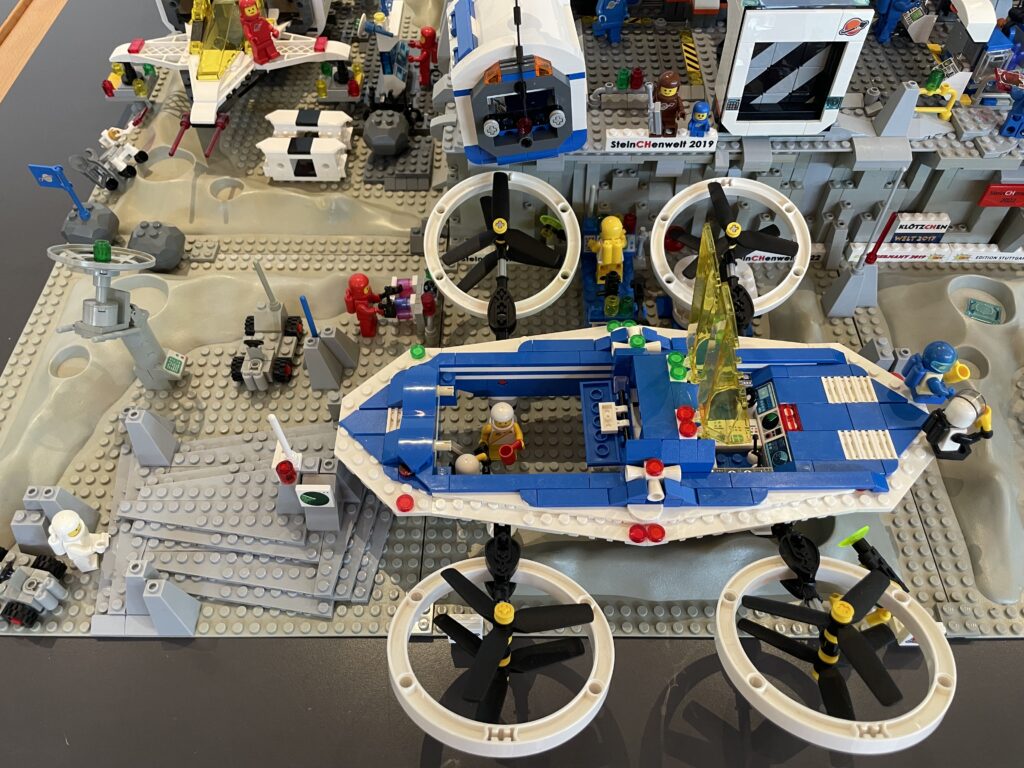
The maintenance crew is conducting a thorough inspection of the Quad-Rotors to identify any signs of corrosion. The lunar dust can be particularly abrasive, causing damage to the blades. This damage not only reduces the efficiency of the Quad-Rotors but also significantly shortens their flight durations. Therefore, inspecting and replacing the blades is a critical maintenance task to ensure the continued operation and reliability of the system.
4: Airfield 3
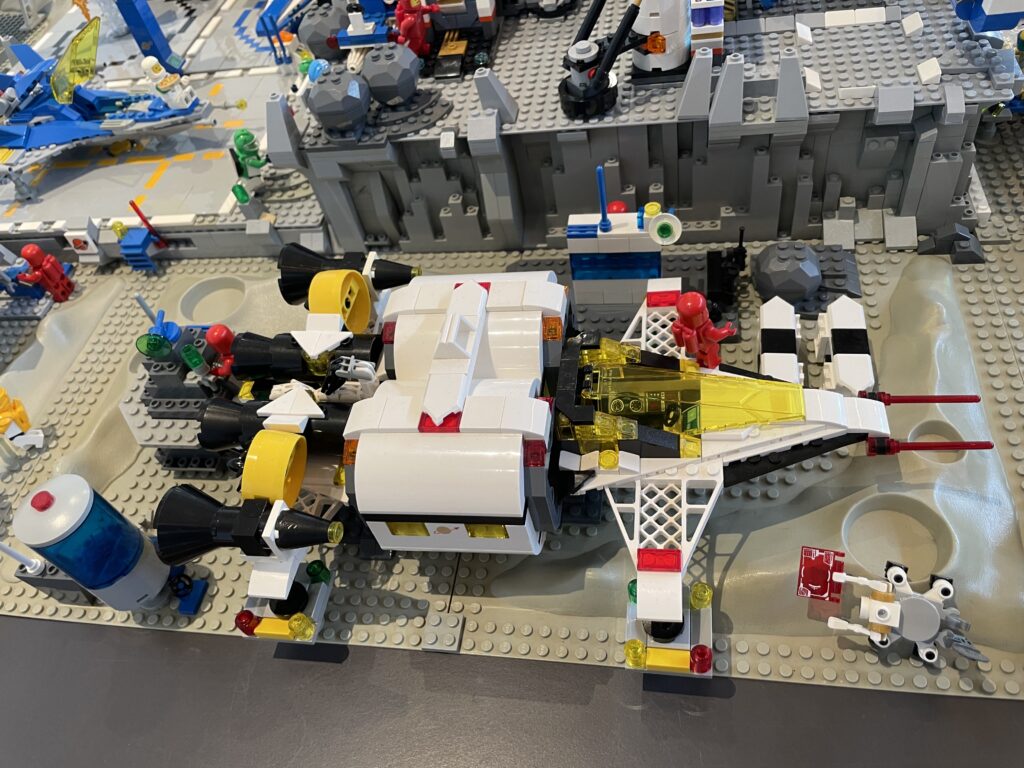
The Airfield 3 serves as the operational hub for the LL-670-CAZ, a multifunctional spacecraft capable of both atmospheric flights on the moon’s surface and interplanetary travel. Recently returning from a cargo transport mission to one of the Oorth objects located within the 55 Cancri system, the LL-670-CAZ has loaded valuable minerals and ore that will be sent for refinement to the Earth System. As the ground crew prepares for the unloading operation, the pilot is heading straight to the pizza oven …
5: Eagle-Station
Equipped with a modified carrier system compatible with the airlock standard, the Eagle has been enhanced to accommodate the loading and unloading of four pods at the Zeta-Station. This capability has transformed it into the primary workhorse for logistics operations within this sector. The success of Zeta-Station and the successful exploitation of the sector hinge on the Growth and operational readiness of the Eagle fleet. Having successfully established a routine operation with this novel prototype, further modifications will be undertaken to conform to the updated standard, and additional Eagles will be brought into service.
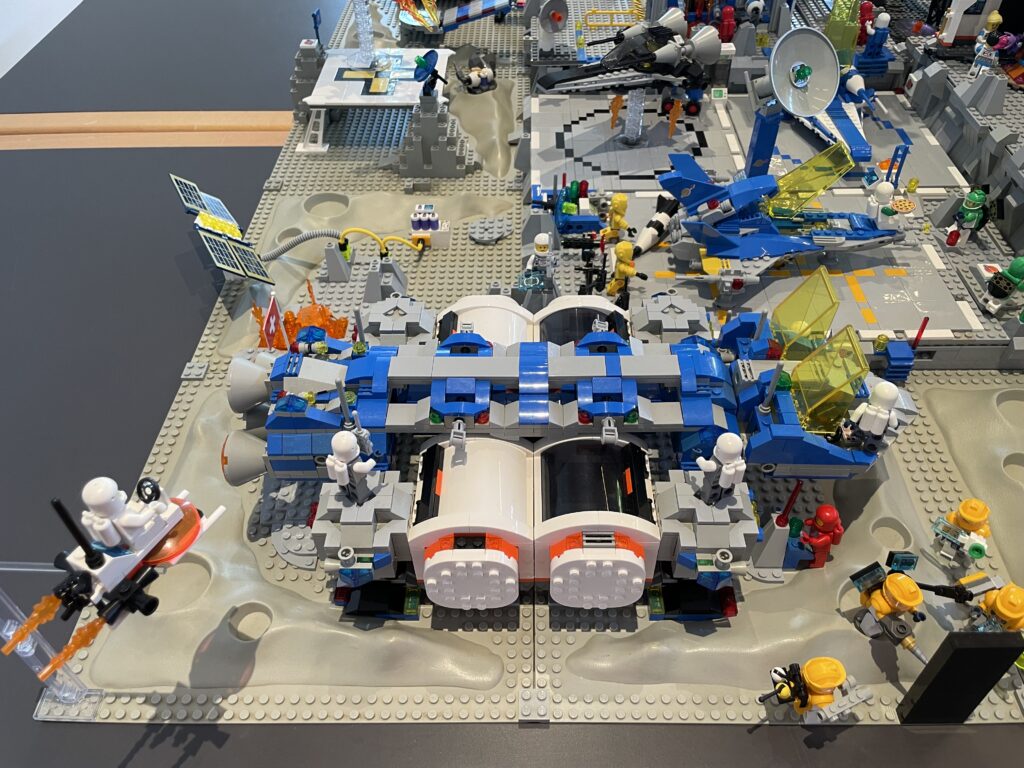
Due to the 15-minute operating window of the Moon’s atmosphere, a specially trained crew, distinguished by their silver attire, is responsible for the safe and efficient entry and exit of the Eagle spacecraft. This critical task has been entrusted to a dedicated team after several Eagle spacecraft were lost during Zeta’s construction phase. The margins of safety are narrow, and the most skilled pilot achieved an impressive 13 1/2 minutes from entry into the atmosphere until engine shutdown on the landing pad, the average lies at 14 minutes and 15 seconds. This mission presents significant challenges, but since the Silver Surfers assumed control, no Eagle has been lost.
6: Power
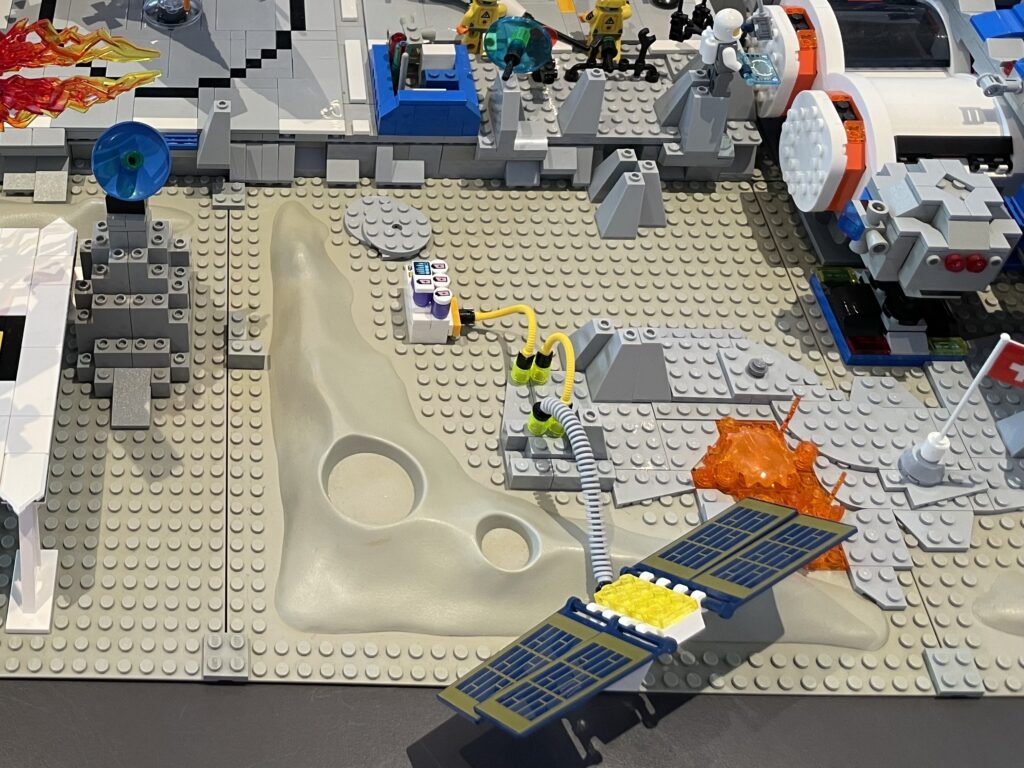
One of the primary motivations behind the Exploration Company’s decision to establish a presence on this moon was the geothermal energy potential and the anticipated ease of exploitation. The Zeta-Station has an exploitable geothermal fields within its perimeter, which the Exploration Company utilises for experimentation and testing various approaches to energy harvesting. Presently, the company combines geothermal energy with “solar powered amplification”, resulting in faster and more concentrated loading times of the newly developed power cells. These power cells are meticulously designed to withstand the atmospheric conditions, although they do not provide sufficient power for interplanetary travel. However, they are capable of powering vehicles and other ground-based equipment.
7: Courier-Station
Zeta-Station, an important outpost for the Exploration Company and the new headquarters within this sector, necessitates the occasional transportation of messages and personnel. Not all messages, even those quantum enforced encrypted, are intended for electromagnetic transmission. In certain circumstances, a message may require in-person delivery, or the individual may be the message itself.
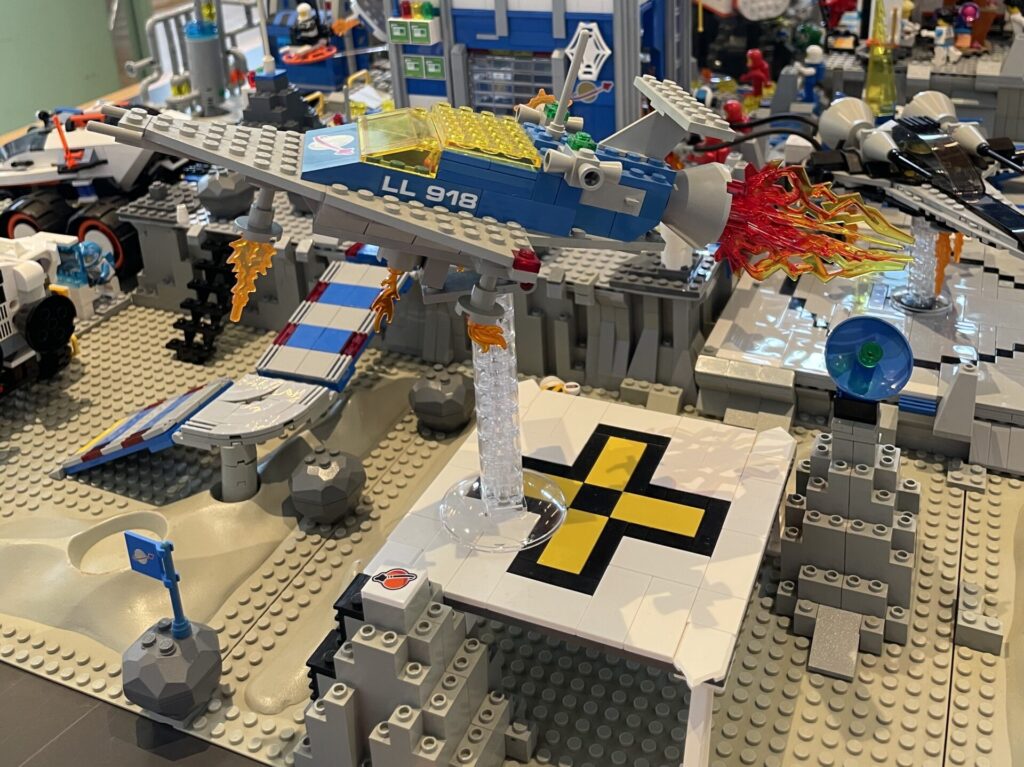
Consequently, like most stations, Zeta-station also has a designated Courier Landing area. It is imperative to ensure that a spaceship, here a famous LL918, is always prepared for departure or that there is a free landing pad for an incoming courier. Additionally, the Courier pilots for Zeta have received the specialised training specifically designed for landing and launching from Zeta-Station.
The current Courier is currently adhering to his training protocol: initiating the takeoff at full throttle without any gradual approach and maintain full throttle until the spaceship has surpassed the atmosphere.
8: Ground Vehicles Operations
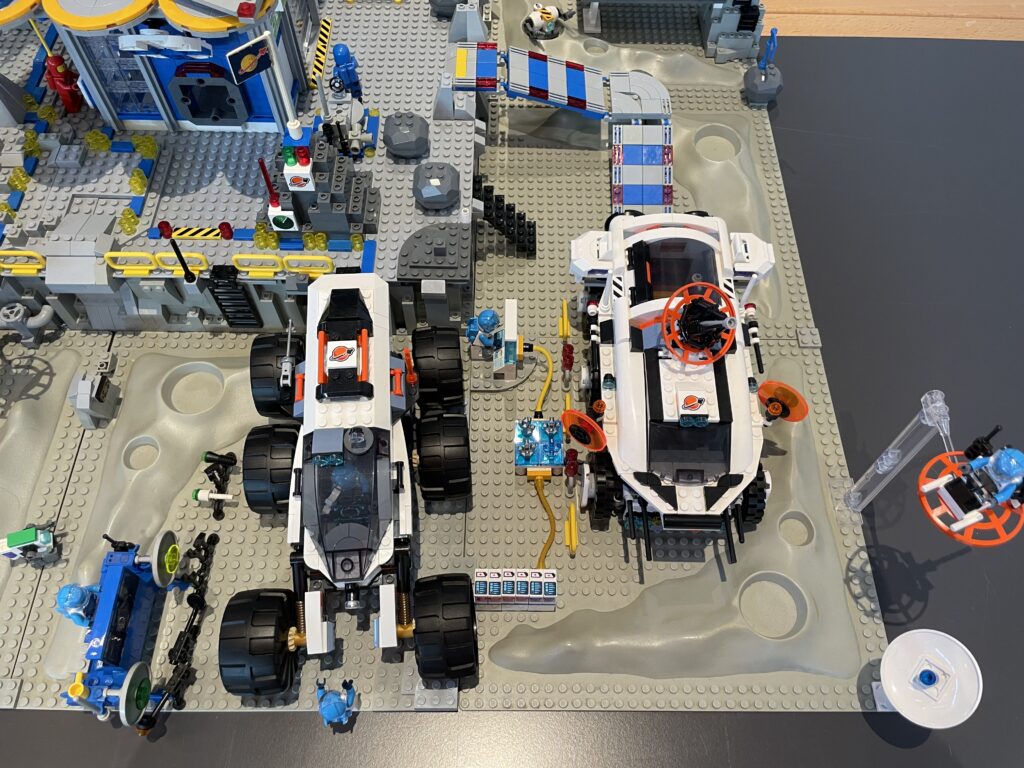
Zeta-Station is equipped with two rovers, which are utilised for ground-based scouting and prospecting missions. The Ground Vehicles Operations (GVO) serves as the staging area for new rover missions including the installation of new power cells, the loading of mission protocols and instructions into the computers, the calibration of science instruments and navigation systems and last crew briefings.
Upon their return from missions, rovers undergo maintenance and repairs at the GVO, getting them ready for their next mission and crew.
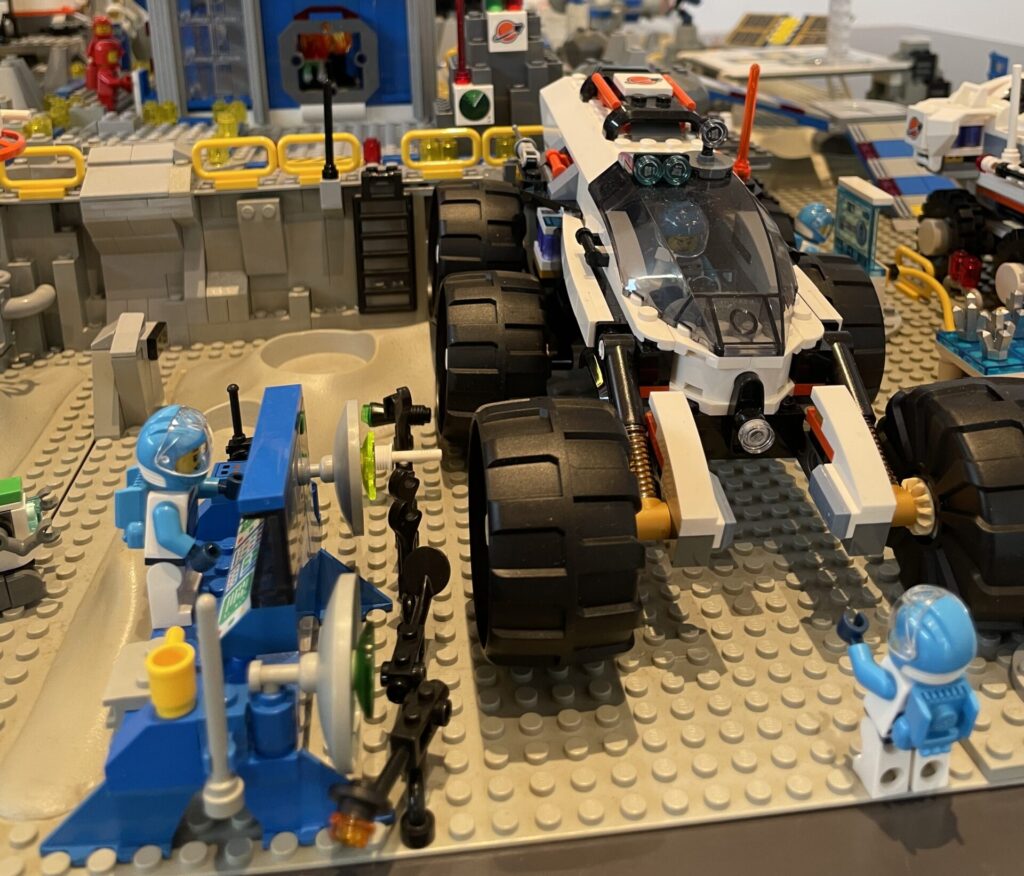
One rover, designated Z-RV-001, is engineered for challenging terrains, enabling it to navigate through rocky and boulder-strewn areas and ascend steep inclines. The moon’s surface is characterised by numerous lava tubes and caves, which serve as direct conduits to the underlying ore deposits. The rover’s primary function is to access and explore these tubes and caves, subsequently returning samples for comprehensive analysis.
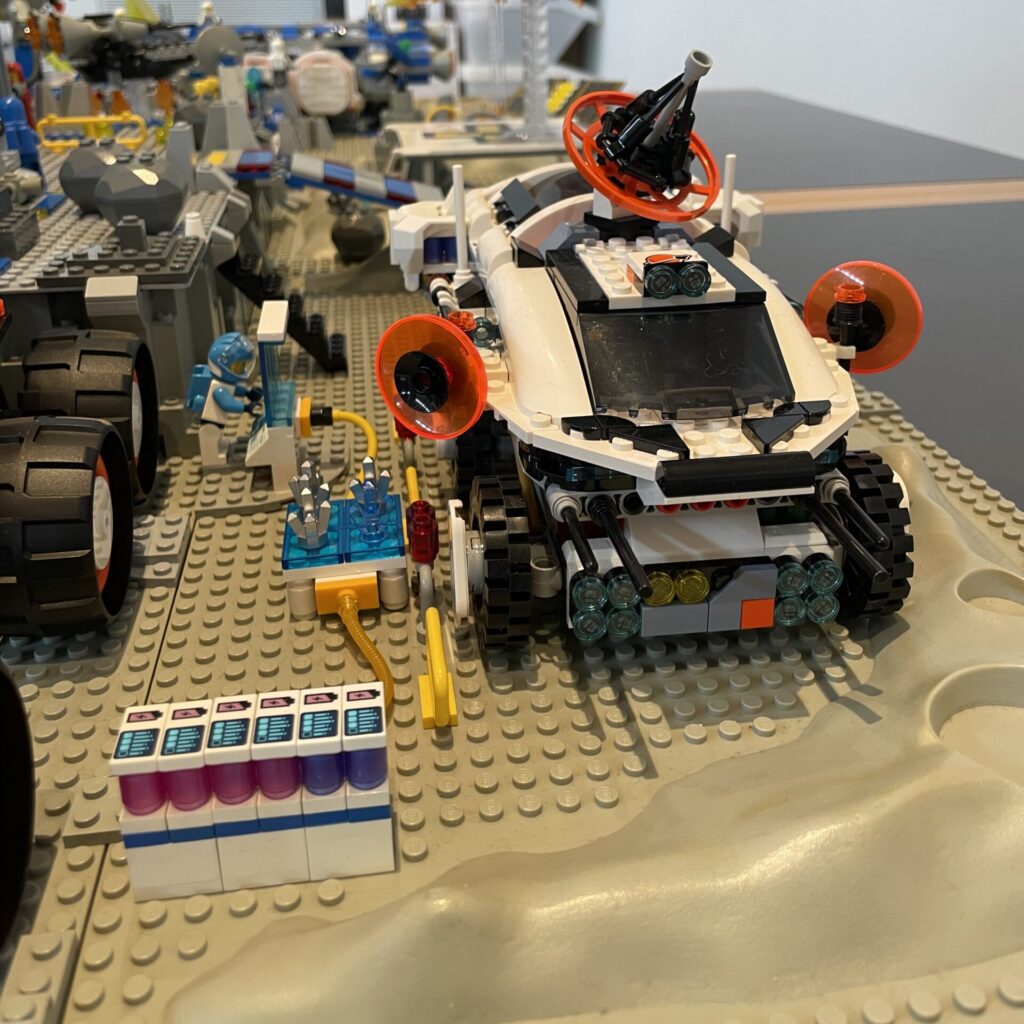
The second rover, designated Z-RV-002, is engineered for autonomous laboratory operations. It is equipped with a lab pod, which is deployed to a potential prospecting site. The lab pod conducts scouting and prospecting tasks for several days before being relocated to the next destination. During these deployments, Z-RV-002 functions as a central hub for communication and atmospheric research, providing essential support for the lab’s operations. The rover is designed for long-duration, spanning several weeks.
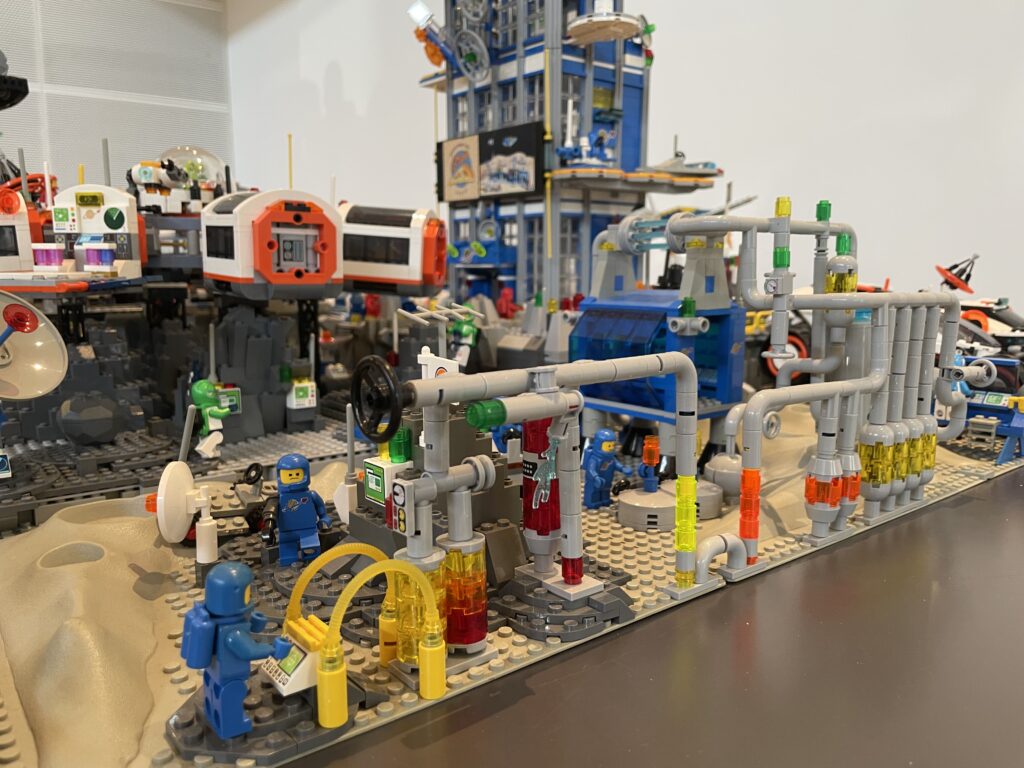
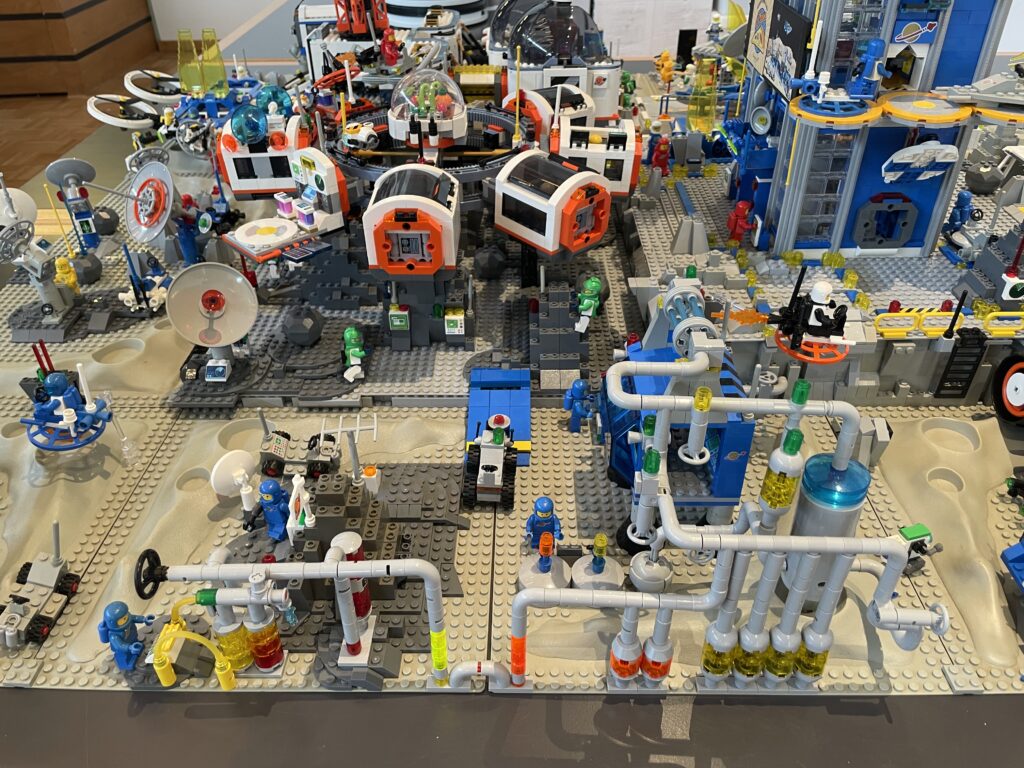
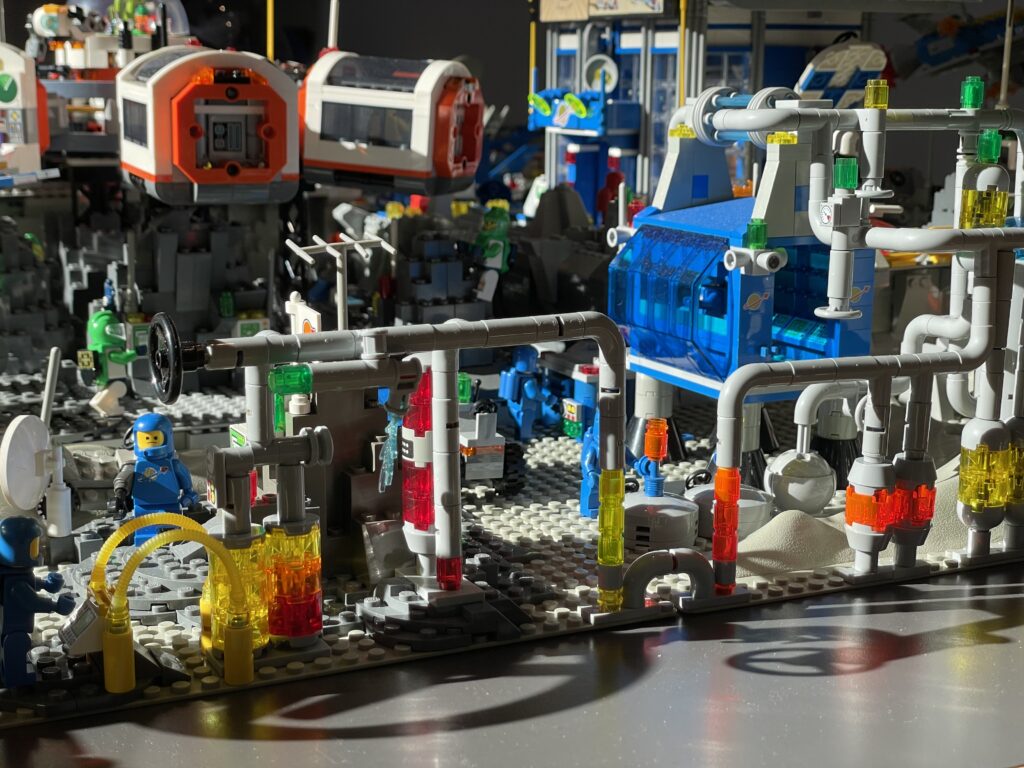
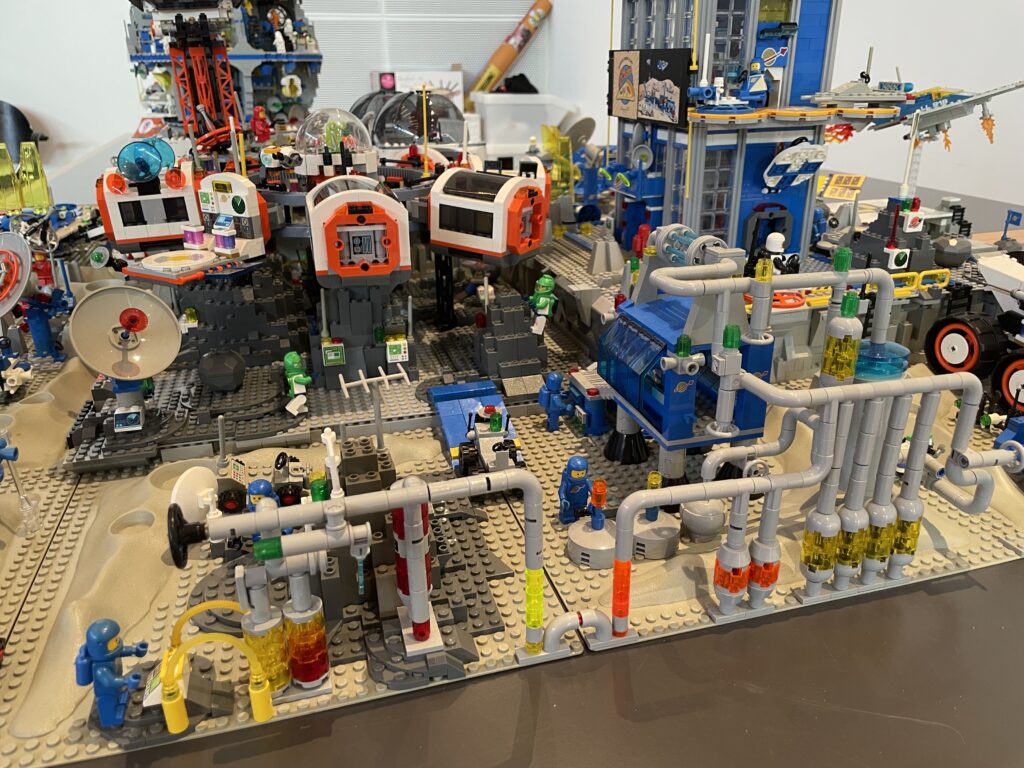
9: Gas Extraction and Refinement station
The Gas Extraction station retrieve compressed gas from deep underground and refines it through multiple process steps. During this process, the distinct molecules are separated, such as Argon and NOx, which are partially recombined to create novel exotic materials. Finally, these refined gases are pumped into the storage facility situated beneath the StarTower. The selection of Zeta-Station was also motivated by the presence of valuable gas deposits. To date, no other gas field within the 55 Cancri system has been identified that exhibits such a high concentration, quantity, and variety of exploitable gases. The current facility is primarily utilised for initial test operations. It is anticipated that the facility will transition into a full-scale extraction operation within the next 12 months, accompanied by the expansion of capacity and the installation of additional facilities.
The Monolith
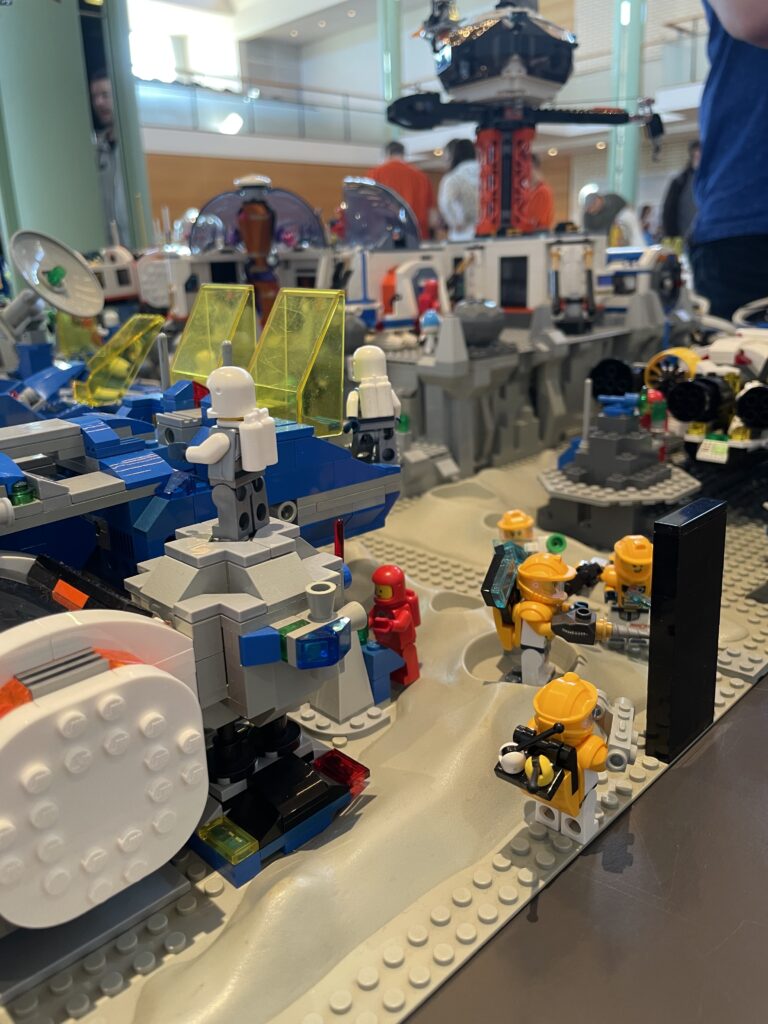
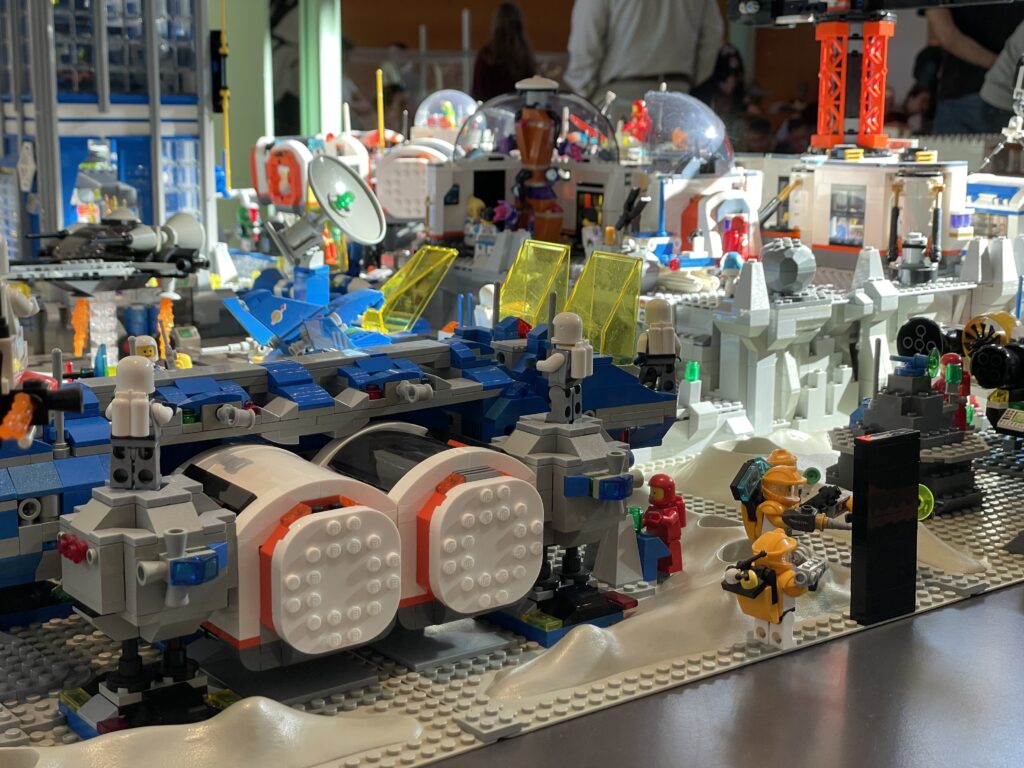
Curiously, and much to the bafflement of the Exploration company, a black monolith emerged once more—this time at Zeta-Station during its construction. Its presence, unwavering and enigmatic, is identical to those found on every Exploration station to date. Despite relentless efforts and the application of countless instruments, the monoliths remain silent, their secrets tightly sealed, defying all attempts at understanding.
The mystery continuous …